
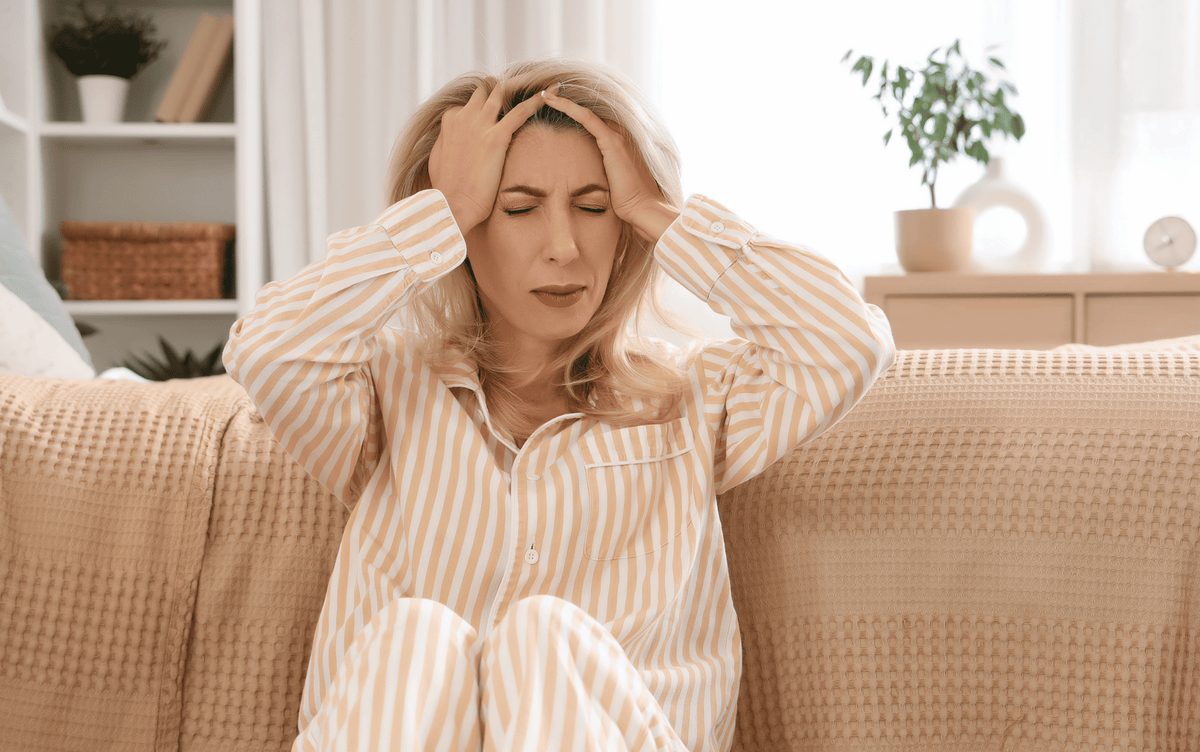
3 a.m. The heat rises suddenly, without warning. A burning wave starts from your chest and sweeps up your neck and face. You throw off the duvet, searching for air. Almost instinctively, you grab an ice cube from the freezer and place it on the back of your neck.
It works. In a few seconds, the wave recedes.
Millions of women perform this gesture every night. And what many don't realize is that it is scientifically grounded. Cold therapy is neither a superstition nor an old wives' tale: it is a precise physiological response that science is beginning to document thoroughly. So, what really happens in your body when you apply cold? And why does it provide such quick relief?
TL;DR - What you need to know in 30 seconds
- At-home cryotherapy involves applying cold locally to a specific area of the body to trigger measurable physiological responses.
- The cold induces vasoconstriction (narrowing of the blood vessels), slows nerve conduction, and reduces the perception of heat and pain.
- During a hot flash, the hypothalamus triggers an excessive vasomotor response. Localized cold sends an opposing sensory signal that helps interrupt this response.
- The benefits of cryotherapy go beyond hot flashes: muscle recovery, soothing intimate irritation, and beauty routines.
- When practiced correctly, at-home cryotherapy is safe. A few simple rules are enough to avoid any risk.
What exactly is at-home cryotherapy?
Cryotherapy - from the Greek kryos (cold) and therapeia (healing) - refers to the use of cold for therapeutic purposes. This is nothing new: ancient Greek doctors applied snow to wounds. Today, at-home cryotherapy covers everything you can do at home with cold: ice cubes wrapped in cloth, cooling packs, cold stones, or dedicated devices.
The central idea? Applying cold to a specific area of the body to trigger a cascade of beneficial biological reactions - without medication, hormones, or prescriptions.
Whole-body cryotherapy vs. local cryotherapy: what's the difference?
Whole-body cryotherapy is performed in specialized chambers at temperatures ranging from -110°C to -160°C for two to three minutes. It is a supervised professional treatment that exposes the entire body to extreme cold.
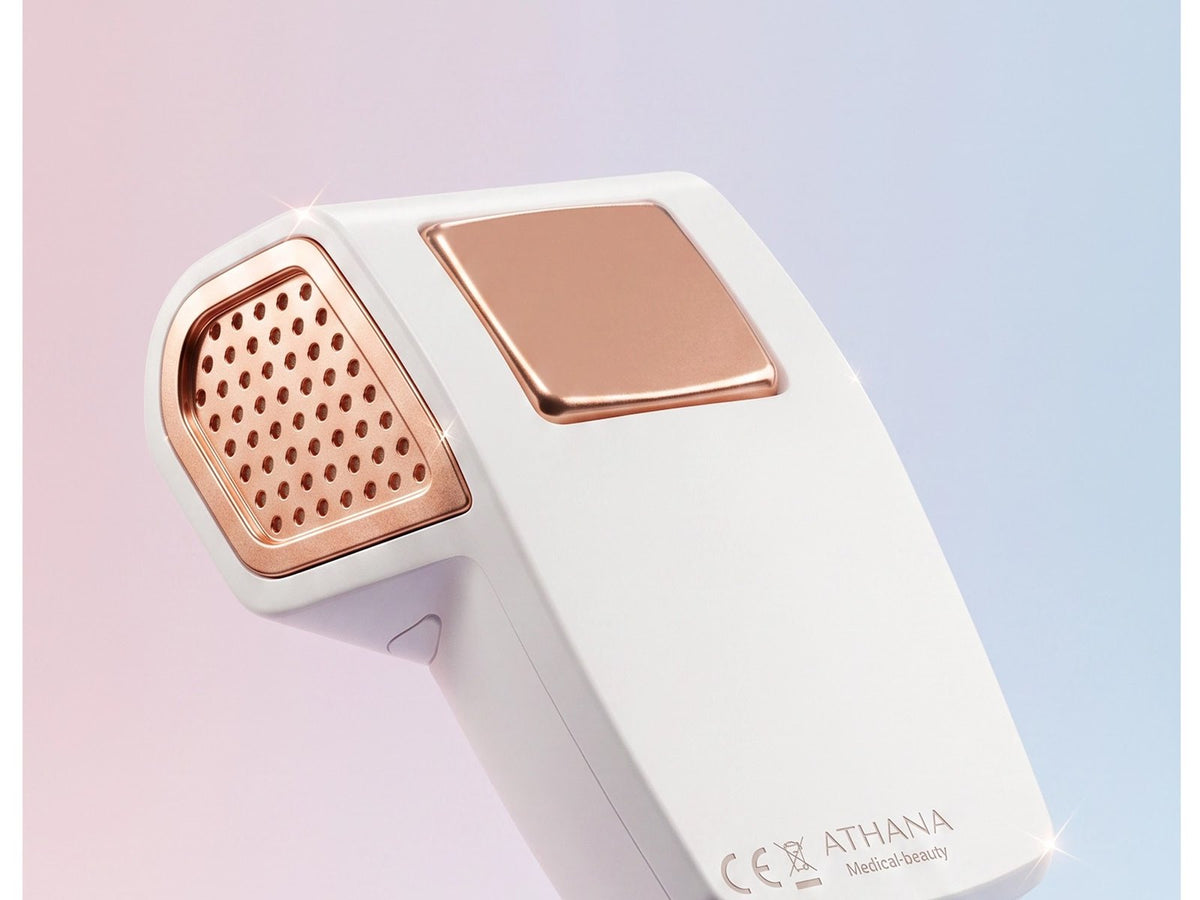
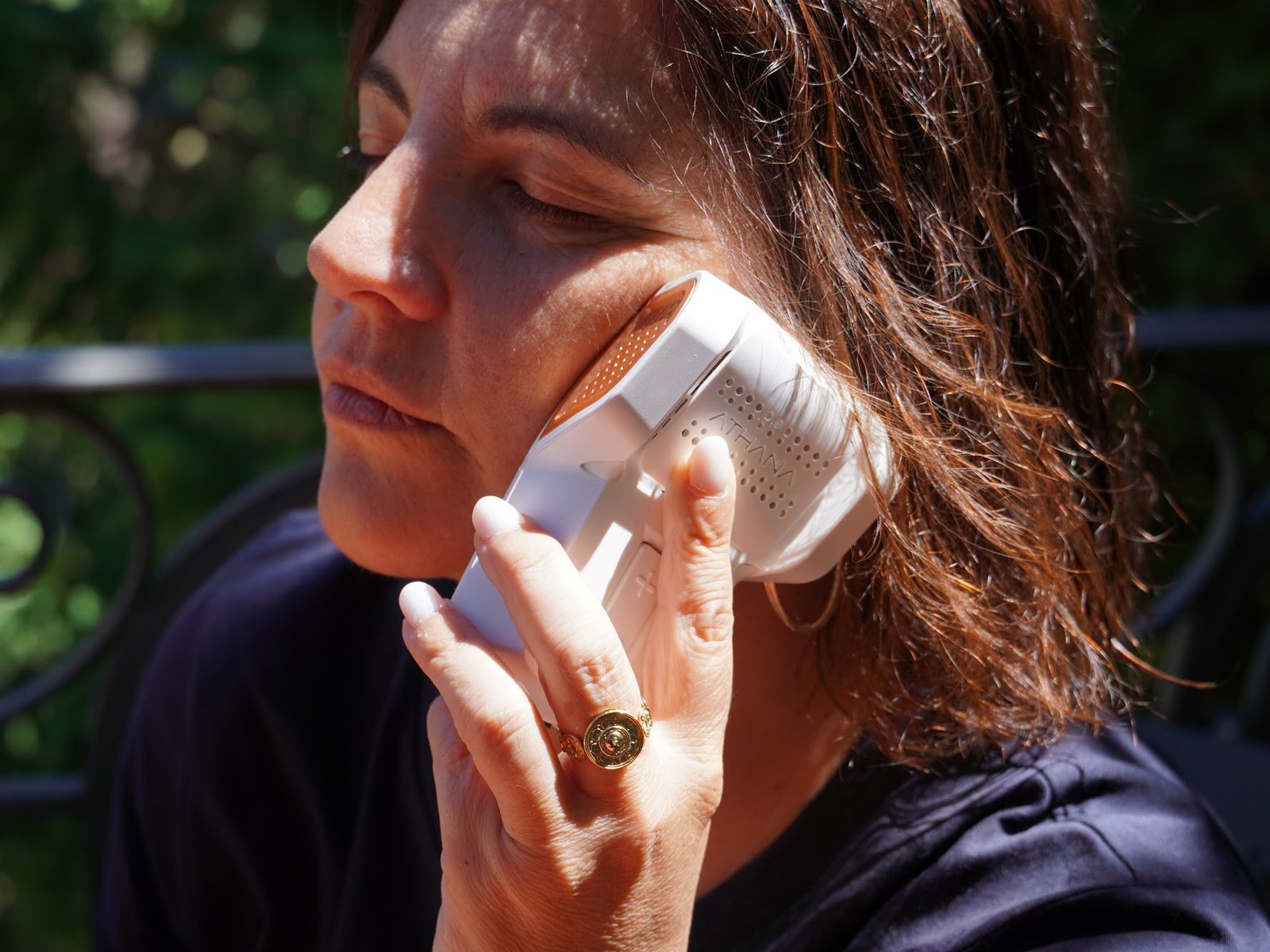
Local cryotherapy, on the other hand, targets a specific area: neck, wrists, face, perineum, muscles. It is something you can do at home, at any time, without an appointment. Portable cryotherapy takes this principle even further: a compact device you can take anywhere, ready to work in seconds.
Both approaches share the same basic mechanisms - but local cryotherapy is more accessible, more targeted, and perfectly suited for daily home use.
What happens in your body when you apply cold
When your skin comes into contact with cold, your body does not remain passive. It reacts according to a precise sequence involving your blood vessels, your nervous system, and your brain.
Vasoconstriction: the primary mechanism
The first reaction is vasoconstriction. Blood vessels in the exposed area narrow in response to the cold. Concretely, the sympathetic nervous system releases norepinephrine, which acts on receptors in the vascular walls and reduces blood flow at the surface.
The immediate result: less warm blood circulates under the skin, the local temperature drops, and the sensation of heat diminishes. It is fast. It is mechanical. And it is exactly what your body does spontaneously when you place that ice cube on the back of your neck at 3 a.m.
The effect on the nervous system and pain
Cold also acts directly on nerve fibers. By lowering the local temperature, it slows nerve conduction: electrical signals travel more slowly along sensory nerves. This produces a moderate analgesic effect - a kind of gentle numbness that dampens the perception of heat, pain, and discomfort.
This is the same principle that explains why we instinctively apply ice to a sprain or minor burn. The nervous system receives fewer alarm signals, and the feeling of urgency subsides.

The hypothalamus thermal reset
This is where it gets fascinating. The hypothalamus is the conductor of your thermoregulation: it is the part of your brain that constantly decides whether your body should warm up or cool down. It receives information from the skin (via cutaneous thermal receptors) and adjusts your body's response in real time.
When you apply cold to an area rich in thermal receptors - the neck, wrists, face - you send a powerful sensory signal to the hypothalamus. This signal indicates that the perceived temperature is dropping. In response, the hypothalamus modulates its thermoregulatory activity: it reduces heat dissipation commands (vasodilation, sweating) and rebalances overall thermal perception.
This is not a magical "reset," but a real sensory recalibration: by flooding sensory pathways with cold signals, you help your brain exit its thermal alert state.
Why cold relieves hot flashes in seconds
The role of the hypothalamus in hot flashes
During menopause, the drop in estrogen profoundly disrupts thermoregulation. Specifically, it alters the activity of KNDy neurons in the arcuate nucleus of the hypothalamus: these neurons become hyperactive and send excessive signals to the preoptic area, which manages heat dissipation.
The direct consequence: the thermoneutral zone - the range of temperatures in which your body feels comfortable - narrows considerably. A slight rise in internal temperature, which would go unnoticed under normal circumstances, is now enough to trigger a maximum dissipation response: sudden vasodilation, sweating, intense heat sensation. That is what a hot flash is.
How localized cold interrupts the vasomotor response
Here is the key. During a hot flash, your nervous system is executing an emergency heat dissipation command. Cutaneous vessels dilate, blood flows to the surface, and heat radiates.
Applying localized cold to a strategic area - neck, wrists, sternum - immediately sends a sensory counter-signal to the hypothalamus. The cutaneous thermal receptors detect a drop in temperature and transmit this information to the brain. Simultaneously, local vasoconstriction reduces surface blood flow in the treated area.
Combined, these two effects - cold sensory signal + local vasoconstriction - help the nervous system interrupt or dampen the ongoing vasomotor response. The heat wave recedes. Sweating decreases. The feeling of urgency subsides.
This is why a portable cryotherapy device for hot flashes can work in under five seconds: it delivers precise, controlled cold to the right areas at the right time.
Theory into practice
Héra applies controlled cold at -15°C to the neck, wrists, or décolleté in seconds. No melting ice, no water, no risk of cold burns.
Discover Héra →Other benefits of at-home cryotherapy
The benefits of cryotherapy do not end with hot flashes. Cold therapy is versatile, and you can incorporate it into many aspects of your daily routine.
Intimate burning and irritation (perineum, vulva)
Menopause is often accompanied by vulvovaginal dryness and atrophy, which cause burning, tingling, and irritation. Localized cold can provide immediate relief by reducing local inflammation and slowing the conduction of sensory nerve fibers.
Perineal cryotherapy to relieve vulvar burning is a gentle, non-invasive approach that can complement usual local care. Always use a suitable device - never apply ice directly to mucous membranes.
Muscle recovery and inflammation
You are likely familiar with the principle of using ice after sports. Local cryotherapy reduces edema, limits the acute inflammatory response, and alleviates muscle soreness. Classic protocols recommend 15 to 20 minutes of cold application in the hours following exercise. The effect is most beneficial in the short term, but it is real and well-documented.
Skin and beauty routine
Cold is also a beauty ally. Applied to the face, it causes temporary vasoconstriction that visually tightens pores, reduces puffiness, fades redness, and provides an immediate healthy glow. Some women include a cryo-step in their morning routine - a few seconds on the face before applying serum - to activate microcirculation and prepare the skin to better absorb active ingredients. We detailed this practice in our article on using an ice cube on the face in the morning.
How to practice at-home cryotherapy safely
Basic rules
- Never apply ice directly to bare skin: always wrap the cold source in a thin cloth, or use a device designed for this purpose.
- Stop if you feel sharp pain or prolonged numbness: the cold should relieve, not cause harm.
- Avoid cryotherapy on damaged skin, open wounds, or infected areas.
How long? How often?
For hot flashes, a few seconds to two minutes on strategic areas (neck, wrists, sternum) is sufficient. For muscle recovery or irritation, you can go up to 10 to 15 minutes with protective fabric. There is no strict frequency limit for gentle, targeted use - you can use at-home cryotherapy as many times as needed throughout the day.
Areas to avoid
- Areas where major superficial nerves pass: inner knee, elbow (ulnar nerve).
- Extremities in cases of circulatory disorders (Raynaud's syndrome, diabetes with neuropathy).
- Mucous membranes in direct contact with ice.
- The faces of individuals suffering from severe couperose or active inflammatory rosacea (consult your dermatologist).
FAQ
Is at-home cryotherapy dangerous?
No, when practiced correctly, at-home cryotherapy is very safe. The main risk is cold burn (superficial frostbite) if you apply ice directly to the skin for too long. With a protective cloth or a dedicated device, this risk is virtually zero. When in doubt, consult your doctor, especially if you have circulatory disorders.
How long should I apply the cold?
That depends on the goal. For hot flashes, a few seconds to two minutes is enough. For muscle recovery or irritation, 10 to 15 minutes with protection is recommended. Never exceed 20 minutes on the same area.
Does it really work for hot flashes?
Yes - with an important nuance. Cold therapy provides real, immediate symptom relief by acting on local vasoconstriction and the sensory signals sent to the hypothalamus. It is not a root treatment for menopause, but rather a fast, hormone-free, side-effect-free symptomatic relief.
What is the difference between an ice cube and a dedicated device?
An ice cube works, but it melts, it drips, it is difficult to dose, and it cannot be applied directly to the skin. A portable cryotherapy device delivers precise, constant cold to the right area without risk of burns or mess. The difference is like comparing a kitchen knife to a scalpel: same principle, very different precision.
What are the contraindications?
Local cryotherapy is not recommended in cases of Raynaud's syndrome, diabetic neuropathy, cold allergy (cold urticaria), skin sensitivity disorders, or on damaged skin. When in doubt, ask your doctor for advice before starting.

As seen on TV
Héra, the portable cryotherapy device
Targeted and controlled cold in seconds, without water or melting ice.
Discover HéraUseful Sources
- Padilla J. et al., Thermoregulatory responses to menopausal hot flashes, Menopause, 2021 - pmc.ncbi.nlm.nih.gov/articles/PMC6459071
- Deli T. et al., Menopause and thermoregulation: the role of KNDy neurons, Frontiers in Neuroendocrinology, 2020 - pmc.ncbi.nlm.nih.gov/articles/PMC4612529
- Johnson J.M. et al., Cutaneous vasoconstriction and cold exposure, Journal of Applied Physiology, 2011 - pmc.ncbi.nlm.nih.gov/articles/PMC4593810
- Lepape-info.com, Récupération : les bienfaits de la cryothérapie locale - lepape-info.com
- CNRS Le Journal, Comment le corps humain résiste au froid - lejournal.cnrs.fr
Leave a comment
All comments are moderated before being published.
This site is protected by hCaptcha and the hCaptcha Privacy Policy and Terms of Service apply.