
TL;DR - What you need to know in 30 seconds
- Night sweats during menopause are caused by a drop in estrogen, which disrupts your brain's thermostat - not by a lack of willpower or comfort.
- Setting the bedroom between 16 and 18°C (60-64°F), adapting your bedding, and practicing heart coherence breathing before sleep significantly reduces the frequency of episodes.
- Localized cold is the fastest strategy to interrupt a sweat in progress - in just a few seconds.
- Night sweats can last from a few months to several years: taking action on your habits early makes a real difference.
It’s 3:00 AM. You wake up suddenly, your heart pounding, your sheets sticking to your skin, a wave of heat rising from your stomach to your face. You push back the duvet, reach for air, and wait for it to pass. And when it finally does, you are too awake to fall back asleep.
Rest assured, you are not alone. Night sweats during menopause affect between 75 and 80% of women at some point during this transition. It is not in your head. It is not a weakness. It is biology - and above all, it is not inevitable.
There are solutions, lifestyle adjustments, and even an immediate approach to regain control of your nights. Here is everything you need to know about what to do for menopausal night sweats - from the simplest to the most effective.

Why night sweats ruin sleep (and not just because of the heat)
You might be wondering why these episodes are so disruptive, beyond the physical discomfort. The answer lies in a specific mechanism.
During menopause, the drop in estrogen makes the hypothalamus—the area of the brain that acts as a thermostat—much more sensitive to temperature fluctuations. A slight rise in body heat, even minimal, is wrongly interpreted as overheating. The brain then triggers an emergency response: vasodilation of the skin's blood vessels, a rise in heat, and then intense sweating to cool the body. This is known as a vasomotor response.
The problem is that this mechanism pulls you abruptly out of deep sleep. And once you are awake in this state of physiological alert, cortisol—the stress hormone—enters the picture. It keeps the brain alert, accelerates thoughts, and makes falling back asleep difficult, sometimes impossible for an hour or more.
In other words, nighttime sweating doesn't just disrupt your comfort; it sabotages the very architecture of your sleep by reducing deep recovery phases. That is why you wake up exhausted, even after seven or eight hours spent in bed.
7 strategies to sleep better despite night sweats
Good news: several levers for action exist, and they combine very well. Here are the 7 most effective strategies, categorized from the environment to the body.
1. Set the bedroom temperature between 16 and 18°C
This is the first adjustment to make, and often the most impactful. A cool room helps the hypothalamus maintain a stable body temperature, which reduces the frequency of vasomotor triggers.
The ideal range is between 16 and 18°C. If you sleep with a partner who is cold, a fan aimed at you can do the trick. The goal is to create an environment that facilitates your body's natural thermoregulation without forcing it to do extra work.
2. Choose the right bedding (materials, layering)
Percale cotton or linen sheets are your best allies: they breathe, absorb moisture, and dry quickly. Avoid microfiber and polyester, which trap heat.
Adopt the principle of light layering: several thin layers rather than one thick duvet. This way, you can remove a layer during an episode without having to get up. Some women keep a clean towel and a change of clothes within reach to switch quickly if necessary—a simple gesture that avoids remaining in discomfort.
3. Adapt your evening diet
Certain foods and drinks are known triggers for night sweats: alcohol, spices, coffee after 2:00 PM, and very hot or fatty meals in the evening. They raise body temperature and stimulate the nervous system when it should be calming down.
For dinner, choose light foods rich in natural phytoestrogens (soy, flaxseeds, chickpeas) and magnesium (almonds, green vegetables, dark chocolate). Magnesium plays a role in regulating the nervous system and can help reduce nighttime awakenings. Avoid eating within two hours of bedtime.
4. Heart coherence breathing before sleep
Heart coherence is a breathing technique that involves inhaling for 5 seconds and exhaling for 5 seconds, steadily, for 5 minutes. This rhythm of 6 breaths per minute activates the parasympathetic nervous system—the one that promotes calm and sleep.
Practiced right before you go to bed, it lowers cortisol, slows your heart rate, and prepares the body for more stable sleep. It is also a useful strategy if you wake up in the middle of the night and struggle to get back to sleep: 3 to 5 minutes of slow breathing can be enough to recalibrate your nervous system.
5. Breathable nightwear
The choice of nightwear is often underestimated. Lightweight cotton, bamboo, or natural silk are the most suitable materials for night sweats: they wick away moisture, stay soft on the skin, and do not retain body heat.
Avoid synthetic pajamas, clothing that is too tight, or too thick. If you prefer to sleep naked, keep a light sheet within reach for the moments when you might feel cold after the sweating episode—because the rapid cooling that follows can be just as uncomfortable.
6. Manage stress and nighttime cortisol
Stress and night sweats feed each other. A high level of cortisol in the evening lowers the trigger threshold for vasomotor episodes—which means the more stressed you are, the more likely you are to have intense and frequent sweats.
A few concrete habits to reduce nighttime cortisol: turn off screens at least an hour before sleep, write down three positive things from your day in a notebook (gratitude practice), and avoid anxiety-inducing conversations or content in the evening. A regular bedtime routine—same time, same actions—sends a clear signal to your brain: it is time to calm down.
7. Localized cold as a rapid cooling signal
This is the least known strategy, yet one of the most effective for interrupting a sweat in progress. The principle is based on the physiology of thermoregulation: applying cold to an area with high vascular density—the wrist, the back of the neck, the sternum—sends an immediate signal to the hypothalamus. The brain interprets this signal as a drop in body temperature and shuts off the sweating mechanism.
This is exactly what many women do intuitively: put a wrist under cold water, place a damp cloth on the back of the neck. These actions work because they exploit the very logic of thermoregulation. Localized cold causes local vasoconstriction, which sends a cooling message to the central nervous system, interrupting the vasomotor cascade.

The immediate solution: stop the sweat in 5 seconds
If localized cold is so effective, the question becomes: how can you apply it quickly, in the middle of the night, without getting up, without looking for ice, without wetting the sheets?
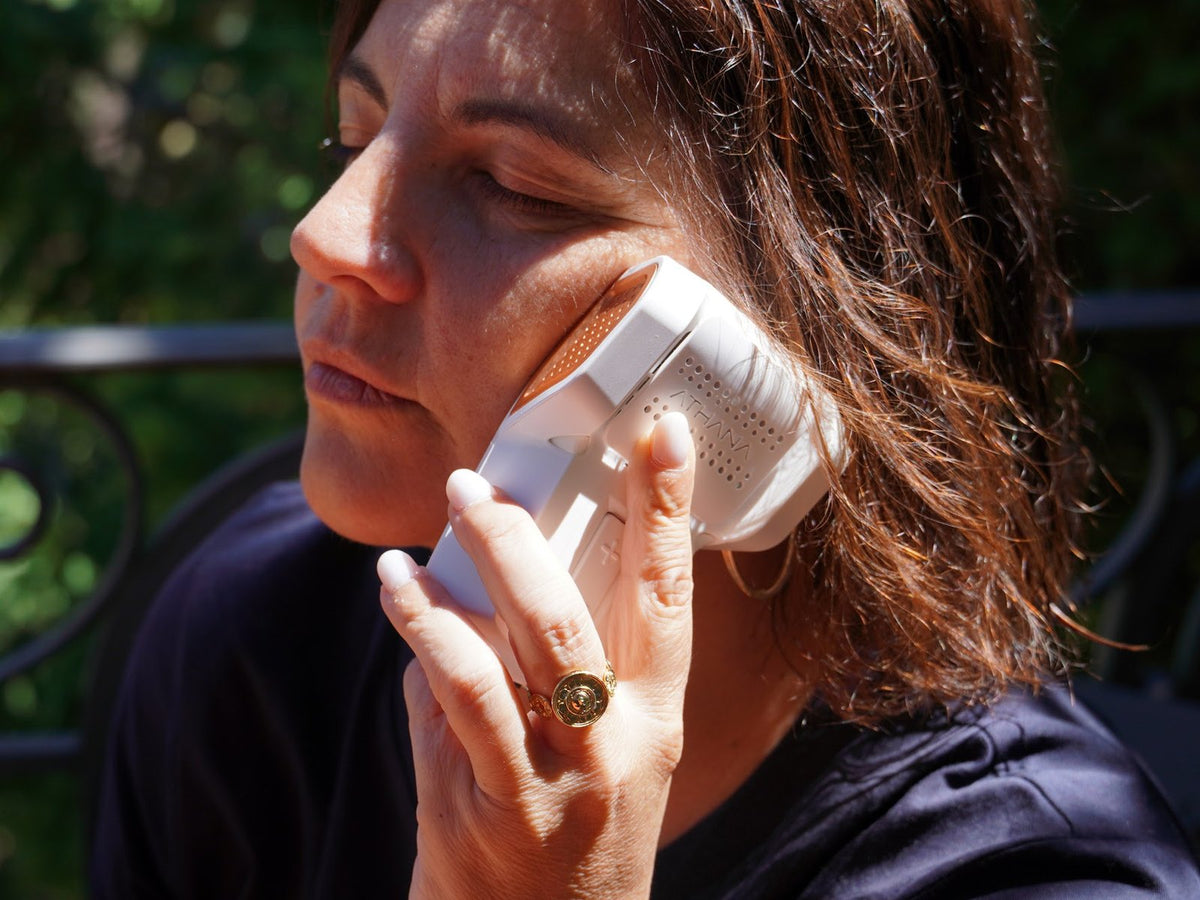
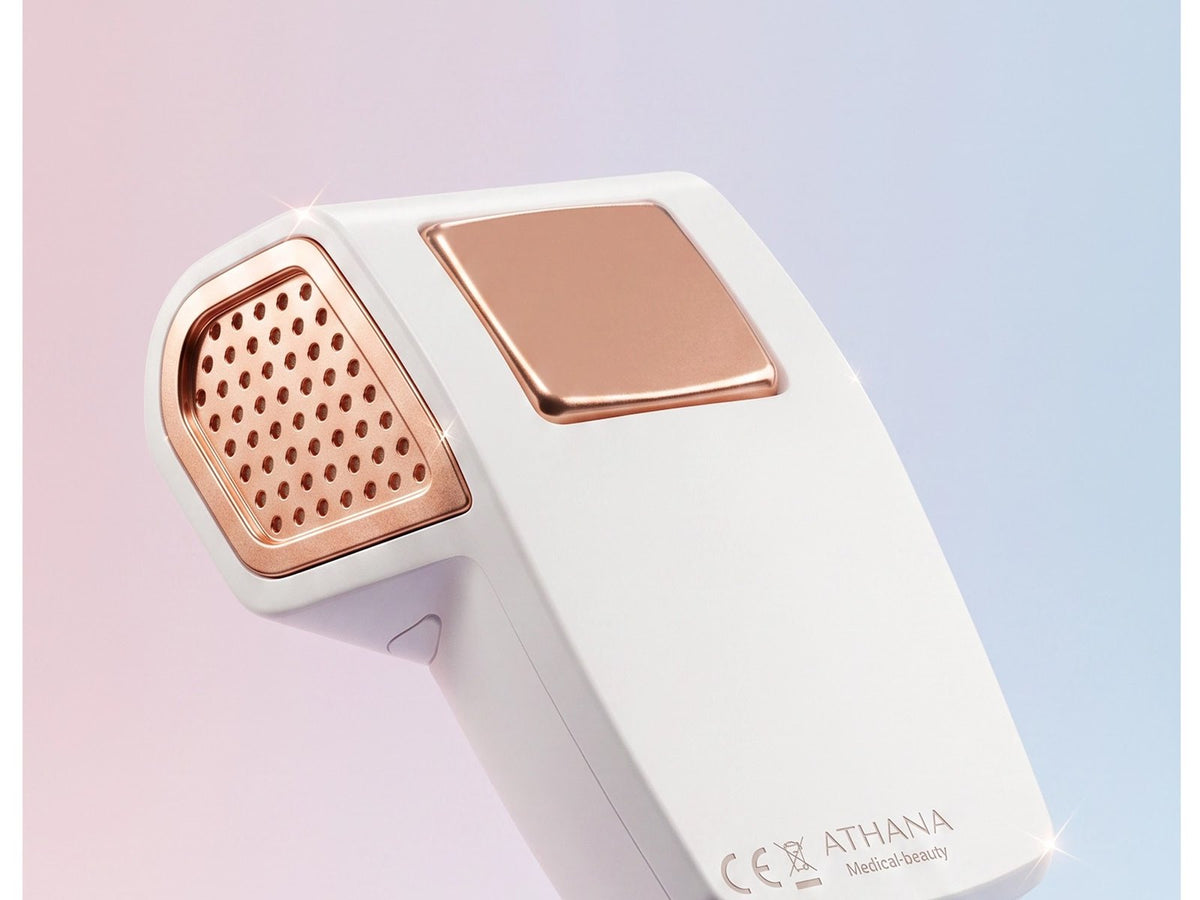
That is precisely the logic behind Héra—a cryotherapy device to stop night sweats designed specifically for women in menopause. The device delivers targeted cold in 5 seconds to key areas (wrist, back of the neck, sternum), without medicine, without preparation, without water.
Simply place it on your skin at the first sign of a sweat—that feeling of rising heat that precedes perspiration—to interrupt the episode before it fully sets in. Portable and rechargeable, it can be kept under your pillow or on your nightstand. For those who are wondering how to stop night sweats without resorting to hormonal or pharmaceutical treatment, it is a direct, physiology-based, and immediately accessible approach.
Héra does not replace the lifestyle strategies described above—it complements them by adding an instantaneous response to episodes that occur despite everything.
Interrupt a sweat without getting out of bed
Héra applies targeted -15°C cold to the wrist, back of the neck, or sternum in seconds. No water, no preparation, no getting up.
Discover Héra →How long do menopause night sweats last?
This is one of the most common questions—and the answer honestly varies from woman to woman.
The episodes themselves generally last between 30 seconds and a few minutes. But the period during which they occur regularly can last for several years. Studies cited by serious medical sources mention a median duration of about 7 years for vasomotor symptoms (hot flashes and night sweats), with significant variations: some women only have them for a few months, others may suffer for more than 10 years after their last period.
Night sweats can begin as early as perimenopause—sometimes 2 to 5 years before periods permanently stop—and continue long after. Intensity tends to be higher in the first few years following menopause, then gradually decreases.
What this means in practical terms: waiting for it to pass on its own might work for some, but for the majority of women, implementing active strategies from the very first episodes helps preserve sleep quality in the long term. And we now know that sleep quality has a direct impact on cardiovascular health, mood, memory, and metabolism.
To learn more about the mechanisms and available options, you can consult our article dedicated to night sweats during menopause.
FAQ - Your questions about night sweats and sleep
Are menopausal night sweats dangerous to your health?
Night sweats themselves are not dangerous, but their impact on sleep can be potentially harmful in the long term. Chronically fragmented sleep increases the risk of fatigue, mood swings, concentration difficulties, and eventually, cardiovascular problems. This is why it is important not to ignore them and to implement active strategies as soon as the episodes begin to disrupt your nights.
What is the best natural remedy for night sweats?
There is no universal natural remedy for night sweats, but the most effective combination generally includes: a cool room (16-18°C), cotton or linen bedding, the avoidance of food triggers (alcohol, spices, coffee), and heart coherence breathing before bed. Localized cold is the fastest supplement to interrupt an episode in progress.
Can you take hormonal treatment for night sweats?
Hormone replacement therapy (HRT) is the most effective medical option for reducing night sweats and hot flashes. It is not suitable for all women (e.g., those with a history of hormone-dependent cancer or specific cardiovascular risks). The decision must be made with a doctor or gynecologist, evaluating the benefit/risk ratio individually. Non-hormonal alternatives also exist, such as certain low-dose antidepressants or herbal therapies.
How can you sleep with night sweats when you cannot adjust the room temperature?
If you cannot change the ambient temperature, rely on other levers: breathable bedding, bamboo or light cotton nightwear, a personal fan aimed at you, and localized cold within reach. Heart coherence breathing before sleep also helps lower your core body temperature, which can reduce the frequency of episodes.
Can menopausal night sweats occur before periods stop?
Yes, absolutely. Night sweats are among the first symptoms of perimenopause, the transition phase that precedes menopause by several years. The hormonal fluctuations that characterize this period are enough to disrupt thermoregulation and trigger vasomotor episodes, even while periods are still present.

Seen on TV
Héra, the portable cryotherapy device
Targeted and immediate cold, without hormones or medication.
Discover Héra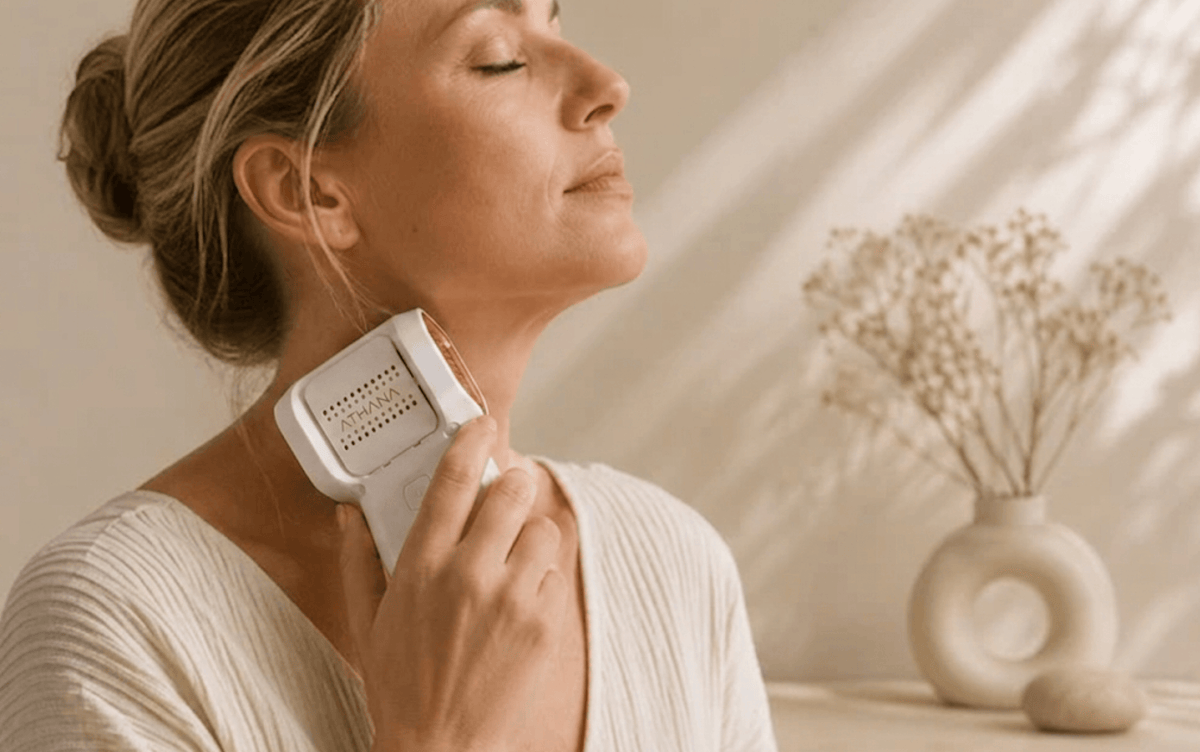
Leave a comment
All comments are moderated before being published.
This site is protected by hCaptcha and the hCaptcha Privacy Policy and Terms of Service apply.