
Summary:
Introduction: A silent but powerful transition
Key figures: What does the chart show?
Why these differences from one continent to another?
Experiencing menopause: a personal journey, unique to every woman
What these numbers mean for you
Learning to listen to your body during menopause
Redefining menopause: your rebirth
FAQ: Your most frequent questions
Conclusion: Menopause is not an end, it’s a beginning
Introduction: A silent but powerful transition
Between 2000 and 2050, the number of women entering menopause is rising sharply. Millions of you are going through, or will go through, this natural stage, sometimes in silence, often with shared emotions.
And yet, menopause is not an end: it is a transformation, a transition to a different period of life, one that is more grounded, more conscious, where you can learn to listen to your body and rediscover yourself in a new way.
The numbers tell of a global evolution: some regions are seeing an explosion in the number of women affected, while others are already beginning to see a decline. But beyond the data, it is above all about your story, that of your health, your balance, and your well-being. (link to chart)

Key figures: What does the chart show?
By 2050, the world will experience an unprecedented rise in the number of menopausal women:
- In Central and Southern Asia, more than 150 million women will be affected.
- In Sub-Saharan Africa, this number will triple.
- In Europe and North America, it will remain stable, but the proportion of women over 50 has never been higher.
These statistics show just how much menopause is now a universal experience. You are part of a generation that lives longer, takes better care of its health, and is starting to talk about this stage without shame or taboo.

Why these differences from one continent to another?
The differences are explained by demographic growth, life expectancy, and access to healthcare.
In some countries, women now benefit from better health conditions and appropriate medical support. In others, menopause remains poorly understood, sometimes experienced alone, without support.
But one reality remains the same everywhere: for a long time, menopause was not discussed. You may have grown up in an environment where this subject remained discreet, or even shameful. Today, you can finally put words to your sensations, ask questions, and above all, be heard.

Experiencing menopause: a personal journey, unique to every woman
Every woman experiences menopause in her own way. For some, it is a period of calm; for others, a time of physical and emotional upheaval.
Hot flashes, sleep disturbances, mood swings, or even fatigue can be difficult to navigate. But these signs are also a reflection of a body that is evolving, of a cycle that is closing to make room for a new form of balance.
In some cultures, menopause is perceived as a transition to wisdom and freedom. In the West, it is beginning to be recognized as a moment of inner transformation. And you, too, can choose to experience it not as a loss, but as a fresh start.

What these numbers mean for you
The global chart reveals one essential thing: you are not alone.
Millions of women, in every corner of the world, are going through this same period right now. Perhaps you recognize yourself in their emotions: a certain weariness, a need for understanding, a desire for serenity.
But remember: your body is not betraying you. It is speaking to you. It is adapting, transforming, inviting you to slow down, to breathe differently, to take care of yourself with more gentleness.

Learning to listen to your body during menopause
You have the right to go through this period with kindness and patience.
Here are some simple ways that can help you better navigate this moment:
- 🌿 Move regularly, without exhausting yourself. A walk, some yoga, or dancing can be enough to release tension.
- 🥗 Adopt a balanced diet: prioritize vegetables, fiber, healthy fats, and drink plenty of water.
- 😴 Take care of your sleep: create a calming bedtime ritual, avoid screens, and favor reading or meditation.
- 💬 Express what you feel: talk about it to your doctor, your loved ones, a friend. Putting words to your emotions is already a form of healing.
Your body is writing a new chapter. Take the time to listen to it, love it, and support it with gentleness.

Redefining menopause: your rebirth
Society has long presented menopause as an end. But it can be experienced as a liberation.
It is often at this stage that many women feel a surge of inner energy, a need to refocus on themselves, and to give new meaning to their lives.
It is an ideal moment to:
- Rethink your priorities.
- Take time for what you love.
- Grant yourself tenderness and rest.
You have been through so many experiences, given so much, supported, worked, and loved. This new phase can be the one where you finally choose yourself, without guilt.
FAQ: Your most frequent questions
1. At what age does menopause generally occur?
It happens between 45 and 55, but this depends on each woman. Some experience it earlier, others later.
2. How do you know if you are in the perimenopause stage?
Signs like irregular periods, hot flashes, sleep disturbances, or mood swings can indicate it.
3. Is it normal to feel emotionally fragile?
Yes. Hormonal fluctuations can influence your mood. It’s time to take care of your emotional balance, without judgment.
4. Can you remain fulfilled during menopause?
Absolutely. It is a stage of transformation, but also a period of fulfillment and wisdom.
5. What to do if symptoms become difficult to manage?
Consult your doctor. Today, there are natural, hormonal, or complementary approaches adapted to every woman.
6. Where can I find support?
Associations, support groups, and reliable resources like the World Health Organization (WHO) can accompany you: www.who.int
Conclusion: Menopause is not an end, it’s a beginning
Menopause is a transition.
A sometimes uncomfortable but deeply human passage. It marks the end of one cycle and the opening of another, where you can live differently, with more freedom, clarity, and peace.
The figures show that more and more women are entering this phase of life, but ultimately, what matters is the way you choose to live it.
It is not a loss of something, but a return to yourself.
Take your time, listen to yourself, and remember: you are far from alone on this path.
Join the Athana community!
To learn more, discover inspiring testimonials, or ask your questions:
Follow us on social media:
- Instagram: @athana.off
- TikTok: @athana.off
- Facebook: Athana
- LinkedIn: Athana
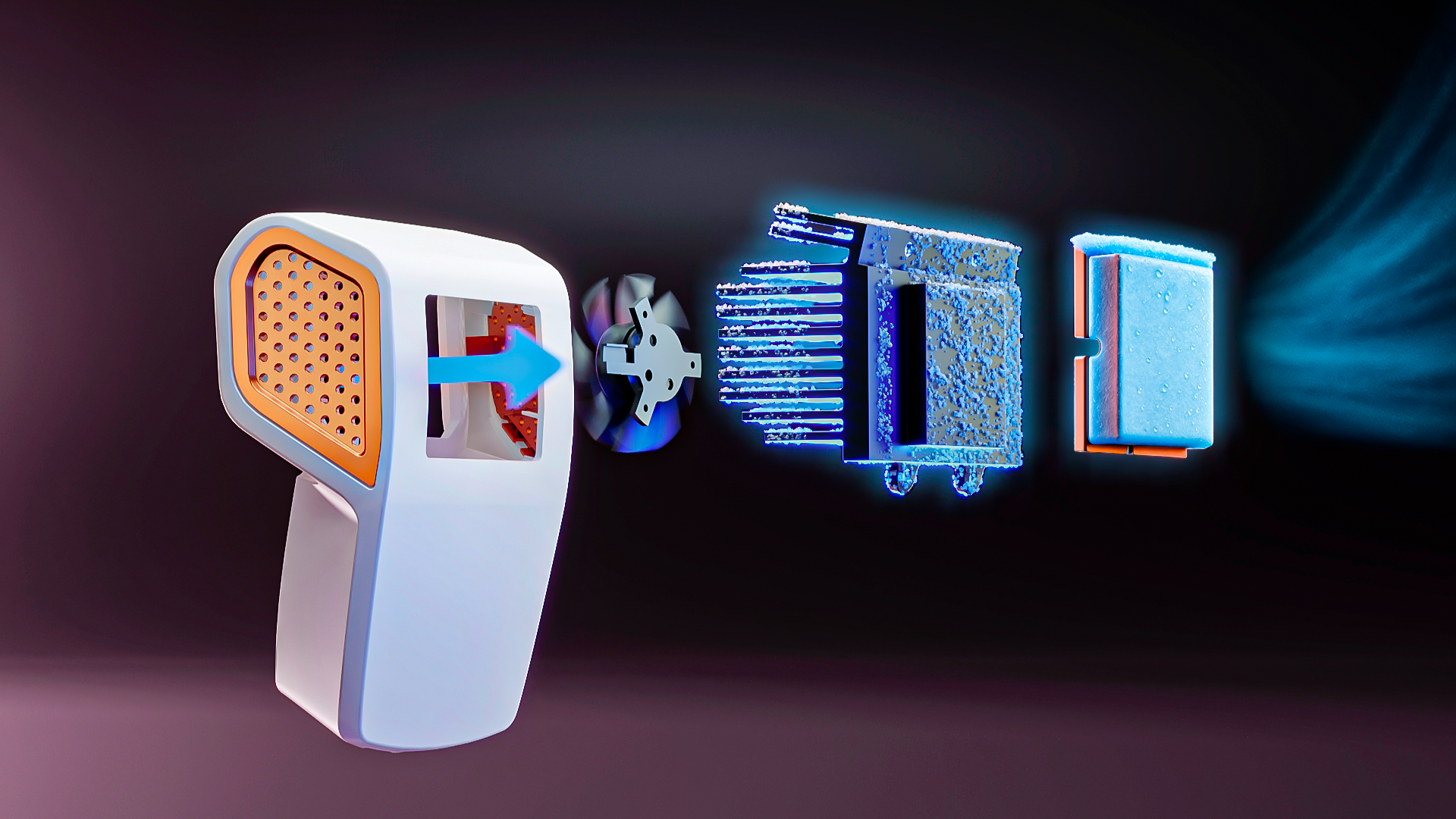
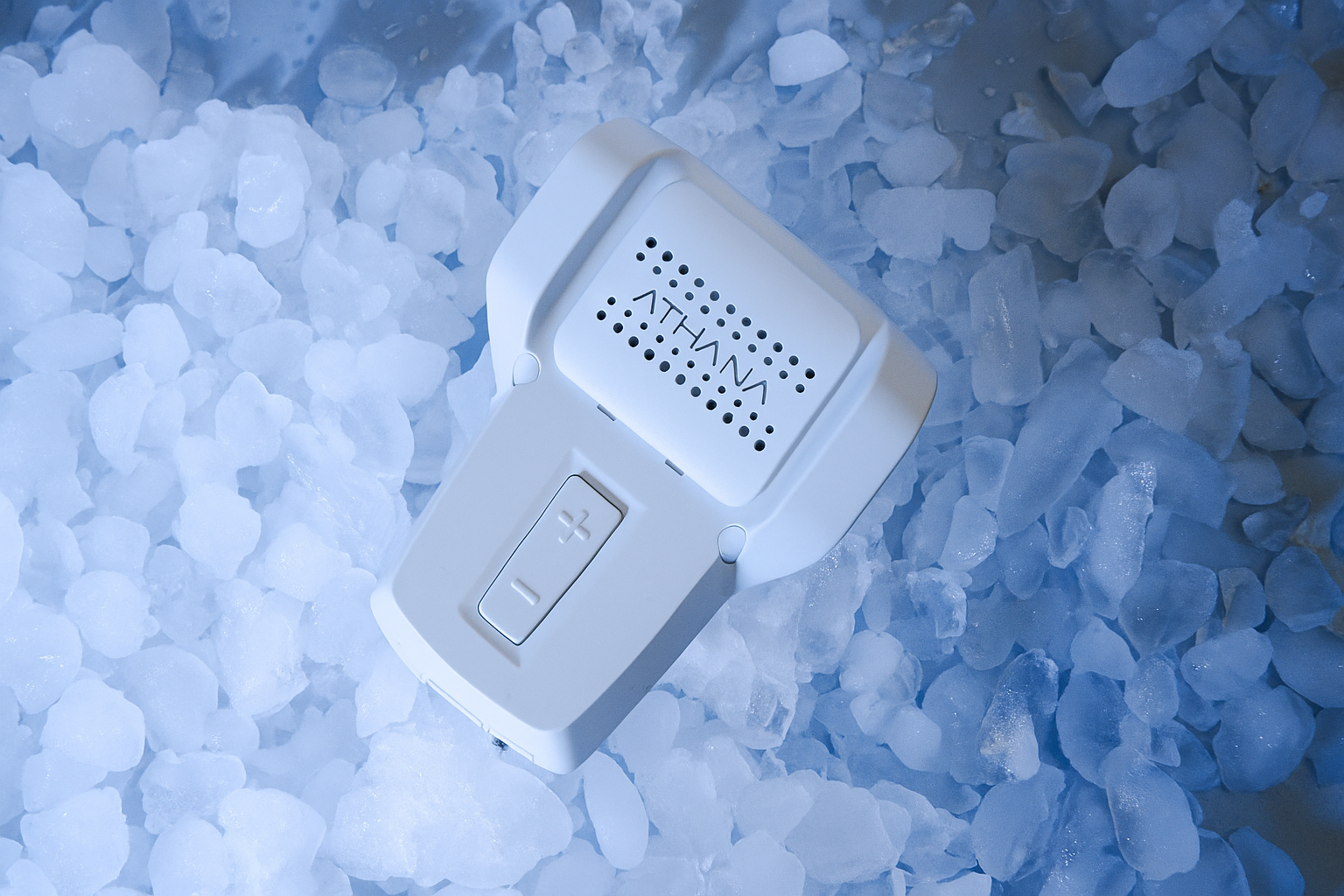
Discover Héra (The cooling solution against hot flashes)
30-day money-back guarantee.
Any questions? Email us at info@athana.shop
Leave a comment
All comments are moderated before being published.
This site is protected by hCaptcha and the hCaptcha Privacy Policy and Terms of Service apply.