
This hormonal change can lead to various symptoms, including hot flashes, insomnia, and vaginal dryness.
Fortunately, there are natural remedies that can help alleviate these discomforts and improve quality of life during this period.
Soy and phytoestrogens:
a natural solution for hot flashes
Menopause is a transitional period marked by a significant drop in estrogen levels, which can lead to various uncomfortable symptoms, including hot flashes.
To alleviate these symptoms, many women turn to natural solutions, and one of the most popular is soy, thanks to its rich content of phytoestrogens.
What are phytoestrogens ?
Phytoestrogens are plant-based compounds that mimic the action of estrogen in the body. Among these compounds, isoflavones, which are found in abundance in soy, are particularly effective.

Isoflavones bind to estrogen receptors in the body, thereby helping to balance hormone levels and reduce symptoms associated with menopause, such as hot flashes.
How to consume soy to benefit from its effects?
To enjoy the benefits of isoflavones, it is advisable to regularly incorporate soy into your diet.
Here are some suggestions for consuming soy on a daily basis:
- Tofu : Tofu is an excellent source of protein and phytoestrogens. It can be incorporated into various recipes, such as salads, stir-fries, or soups.

- Soy Milk : Soy milk is an alternative to traditional milk that can be used in cereals, smoothies, or simply consumed as is.

- Soy Yogurt : Soy-based yogurts are not only rich in isoflavones but also in probiotics, which promote gut health.

What level of efficacy can you expect?
Studies have shown that regular soy consumption can reduce the frequency and intensity of hot flashes in some menopausal women.
However, the effects can vary from person to person.
It is important to note that to feel a significant impact, it is often necessary to consume soy regularly and over a prolonged period.

Precautions to take
Although soy is beneficial for many women, it is recommended to consult a healthcare professional before significantly increasing your intake, especially in the case of pre-existing medical conditions or if taking hormonal medications.
Soy and its phytoestrogens represent a natural and accessible option to help alleviate the symptoms of menopause.
Evening primrose oil: a natural remedy to alleviate hot flashes
Menopause is a stage in a woman's life that is often accompanied by uncomfortable symptoms, such as hot flashes and breast tenderness.
Evening primrose oil, extracted from the seeds of the evening primrose plant, is known for its many beneficial properties, particularly in regulating hormonal imbalances and reducing the symptoms of menopause.
The properties of evening primrose oil
Evening primrose oil is particularly rich in essential fatty acids, especially gamma-linolenic acid (GLA).
This omega-6 fatty acid is a precursor to prostaglandins, molecules that play a key role in regulating inflammatory and hormonal processes in the body.
Thanks to this composition, evening primrose oil is commonly used to treat various conditions linked to hormonal imbalances, including the symptoms of menopause.

How evening primrose oil can help relieve hot flashes
Hot flashes, one of the most common and unpleasant symptoms of menopause, are often linked to hormonal fluctuations, particularly the drop in estrogen levels.
Evening primrose oil can help alleviate these symptoms by acting on several fronts:
- Hormonal regulation : Evening primrose oil helps balance hormones by promoting the production of prostaglandins, which regulate hormonal functions and can thus alleviate hot flashes.
- Reduction of inflammation : Its anti-inflammatory properties can also play a role in reducing breast tenderness and other inflammatory symptoms associated with menopause.
- Improvement of general well-being : By contributing to hormonal regulation, evening primrose oil can improve general well-being, reducing irritability and other emotional symptoms often associated with menopause.
How to use evening primrose oil?
Evening primrose oil can be consumed in capsule form, often available as a dietary supplement.
The recommended dose varies, but it is generally between 500 mg and 3000 mg per day, depending on individual needs and the advice of a healthcare professional.
It is important to note that the effectiveness of evening primrose oil can vary from one person to another.
Some women may experience a significant improvement in their symptoms after a few weeks of use, while others may need a longer duration of use to observe noticeable effects.

Precautions and side effects
Although evening primrose oil is generally well tolerated, some people may experience minor side effects, such as headaches or digestive issues.
It is also advisable to consult a healthcare professional before starting any new supplement, especially if you are taking other medications or if you have a medical history.
Evening primrose oil offers a natural and potentially effective solution for women seeking to alleviate the symptoms of menopause, particularly hot flashes and breast tenderness.
By integrating this supplement into an overall wellness routine, it is possible to better manage this transition period while enjoying the other health benefits offered by this precious oil.
Acupuncture: a natural remedy to relieve hot flashes
Menopause is a natural but sometimes difficult stage in a woman's life, often accompanied by unpleasant symptoms such as hot flashes, insomnia, and stress.
For many women seeking alternatives to hormonal treatments, acupuncture, a practice rooted in traditional Chinese medicine, can offer natural and effective relief.
What is acupuncture ?
Acupuncture is an ancient therapeutic technique that involves inserting thin needles into specific points on the body to restore energy balance.
According to traditional Chinese medicine, the body is traversed by energy channels called meridians.
When energy (or "Qi") flows freely, the body is in good health. However, an energy imbalance can lead to various ailments, including symptoms of menopause.

How can acupuncture help relieve hot flashes?
- Rebalancing energy : Hot flashes are often interpreted in Chinese medicine as a sign of energy imbalance, frequently associated with a deficiency in yin, the body's cooling energy. Acupuncture helps restore the balance between yin and yang (heating energy) by stimulating specific points. This can reduce the intensity and frequency of hot flashes.

- Reduction of stress and anxiety : Stress and anxiety are commonly exacerbated during menopause. Acupuncture is known for its calming effect, helping to regulate the nervous system and reduce levels of cortisol, the stress hormone. A better emotional balance can also contribute to alleviating physical symptoms, including hot flashes.
- Improved sleep : Insomnia is another common symptom of menopause. By working on specific points, acupuncture can promote restorative sleep by balancing the body's energies and calming the mind. Quality sleep can have a positive impact on managing other symptoms, such as hot flashes.
Scientific evidence and studies
Many studies have been conducted to evaluate the effectiveness of acupuncture in treating menopause symptoms.
For example, a study published in the journal Menopause revealed that women who received acupuncture sessions reported a significant reduction in the frequency and severity of hot flashes compared to those who did not receive this treatment.
Other research has also shown that acupuncture can improve the quality of life for menopausal women by reducing symptoms associated with stress and insomnia.
What happens during an acupuncture session ?
An acupuncture session generally begins with a comprehensive assessment, where the practitioner discusses the patient's symptoms and medical history.
Then, needles are inserted into specific points on the body, depending on the identified energy imbalances. These needles are usually left in place for 20 to 30 minutes.
Patients may feel a sensation of warmth, tingling, or deep relaxation during the session.

Precautions and considerations
Acupuncture is generally considered a safe method, provided it is performed by a qualified professional.
However, it is important to consult a doctor before starting any new therapy, especially if you are taking medication or have specific medical conditions.
Acupuncture offers a natural and holistic approach to managing menopause symptoms, including hot flashes, stress, and insomnia.
By restoring the body's energy balance, this ancient practice can help women navigate menopause more comfortably and serenely.
Magnesium supplements: essential support during menopause
Menopause is a major hormonal transition phase for women, often accompanied by various unpleasant symptoms such as hot flashes, muscle cramps, and insomnia.
Magnesium, a mineral essential to the proper functioning of the body, plays a key role in managing these symptoms.
Let's discover how magnesium supplements can provide effective relief.
The importance of magnesium during menopause
Magnesium is an indispensable mineral involved in more than 300 biochemical reactions in the body.
It helps maintain nerve and muscle function, supports the immune system, regulates heart rhythm, and is crucial for bone health.
Furthermore, it is particularly important for menopausal women because it plays a central role in managing stress, anxiety, and hormonal imbalances.

The effects of magnesium deficiency
During menopause, women are more susceptible to magnesium deficiencies.
This deficiency can exacerbate various symptoms, including:
- Muscle cramps : Magnesium helps with muscle relaxation. A lack of magnesium can cause cramps, particularly at night, making sleep even more difficult.

- Insomnia : Magnesium contributes to the production of melatonin, a hormone that regulates sleep. A magnesium deficiency can therefore lead to sleep disturbances or worsen insomnia.
- Hot flashes : Although hot flashes are primarily caused by hormonal fluctuations, a sufficient magnesium intake can help mitigate their intensity by reducing stress and regulating body temperature.
How can magnesium help?
- Muscle and nerve relaxation : Magnesium acts as a natural relaxant. It regulates muscle and nerve function, reducing muscle cramps and nervous tension. This is particularly useful for women suffering from muscle spasms during menopause.

- Improved sleep : By promoting melatonin production, magnesium can improve sleep quality. Restorative sleep is essential for managing other menopause symptoms, including hot flashes.
- Reduction of hot flashes : By supporting adrenal gland function, magnesium helps regulate the body's stress response. Effective stress management can reduce the frequency and intensity of hot flashes.
Sources of magnesium and supplements
For menopausal women, it is crucial to maintain adequate magnesium levels. Here is how to achieve that:
- Diet : Incorporating magnesium-rich foods into your diet can be very beneficial. Nuts (almonds, cashews), seeds (pumpkin, flax), leafy green vegetables (spinach, kale), legumes, and whole grains are excellent sources of magnesium.
- Dietary supplements : In some cases, dietary intake may not be enough, especially if you have increased magnesium needs. Magnesium supplements, available in tablet, capsule, or powder form, can be an effective option for addressing deficiencies. It is recommended to consult a healthcare professional before starting any supplement to determine the appropriate dose.
Magnesium is a valuable ally for women during menopause.
By ensuring sufficient intake of this essential mineral, it is possible to effectively relieve some of the most uncomfortable symptoms of this transition, such as muscle cramps, insomnia, and hot flashes.
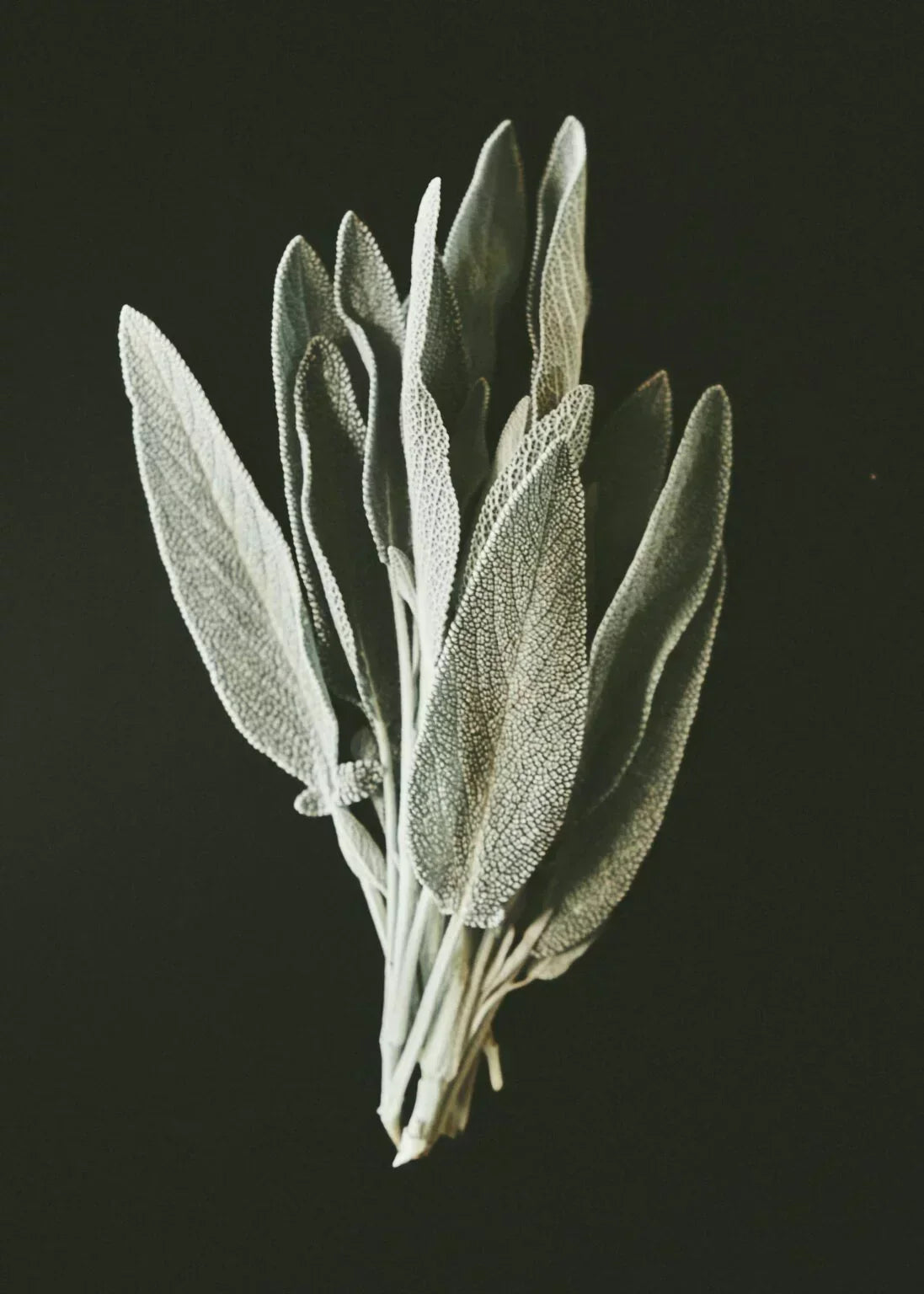
Clary sage essential oil: an ally against hot flashes
Clary sage essential oil is widely recognized in aromatherapy for its beneficial effects on hormonal balance, which makes it particularly useful for women going through menopause.
Hot flashes, one of the most common symptoms of menopause, can be mitigated through the regular use of this oil.
Hormonal regulating properties
Clary sage contains phytoestrogens, natural compounds that mimic the action of estrogens in the body.
During menopause, estrogen levels drop, which can lead to hormonal imbalances and cause symptoms like hot flashes.
Applying or inhaling clary sage essential oil can help regulate these imbalances, thereby reducing the intensity and frequency of hot flashes.

Using clary sage essential oil
Massage application:
- Mix a few drops of clary sage essential oil with a carrier oil such as sweet almond or jojoba oil. Gently massage this mixture onto the lower abdomen or areas affected by heat to relieve hot flashes. This massage allows the active compounds to penetrate the skin and act directly on the hormonal system.
Air diffusion:
- Diffusing clary sage essential oil into the air is a simple and effective method to enjoy its benefits. A few drops in a diffuser are enough to create a soothing atmosphere that can help reduce menopausal symptoms, including hot flashes.
Aromatic bath:
- Adding a few drops of clary sage essential oil to a warm bath can also offer relief. The warm water helps open the pores of the skin, allowing the oil to penetrate more effectively, while the aromatic steam helps to calm the mind and relieve stress, another factor that can aggravate hot flashes.
Precautions for use
As with all essential oils, it is important to exercise caution when using clary sage essential oil.
It should always be diluted before being applied to the skin, and it is advisable to consult a healthcare professional before using it, especially if you are taking other hormonal treatments or medications.
Clary sage essential oil can be a powerful and natural tool to help manage hot flashes and other symptoms related to menopause, while offering a holistic approach to improve general well-being during this transitional period.
Hot flashes: understanding and managing them better
Hot flashes are one of the most common and often most uncomfortable symptoms of menopause.
They manifest as a sudden sensation of intense heat, often accompanied by flushing of the face and upper body, as well as night sweats.
Although the exact causes of hot flashes are not completely understood, they are generally linked to fluctuations in hormone levels, particularly the decrease in estrogen.

Causes of hot flashes
Hot flashes are primarily triggered by the decrease in estrogen, which disrupts the regulation of body temperature.
This disruption can lead the body to believe that it is too hot, which results in the dilation of blood vessels under the skin to release heat, hence the sudden feeling of heat.
Other factors can also aggravate hot flashes, including:
- Stress : Stress can intensify the frequency and severity of hot flashes by affecting hormonal regulation.
- Alcohol or caffeine consumption : These substances can dilate blood vessels and trigger hot flashes.
- Spicy foods : They can also trigger episodes of heat in some women.

Management of hot flashes
Management of hot flashes can be achieved through various means, ranging from natural approaches to medical treatments.
Natural approaches:
- Diet : Consuming foods rich in phytoestrogens, such as soy, can help compensate for the drop in estrogen.
- Physical activity : Regular exercise helps stabilize hormones and improve body temperature regulation.
- Hydration : Drinking enough water can help prevent hot flashes by keeping body temperature balanced.
Medical treatments:
- Hormone replacement therapy (HRT) : This treatment can be very effective in reducing hot flashes, although it may not be suitable for all women due to potential side effects.
- Non-hormonal medications : Certain antidepressants, antihypertensives, or other medications may also be prescribed to manage hot flashes.
By understanding the causes and triggers of hot flashes, and by adopting a proactive approach to manage them, it is possible to significantly reduce their impact on quality of life during menopause.
See our article “I have hot flashes, what can I do?” to learn more.
Please consult a doctor or professional before adopting these measures.

Leave a comment
All comments are moderated before being published.
This site is protected by hCaptcha and the hCaptcha Privacy Policy and Terms of Service apply.