
In a nutshell
- Night sweats affect up to 80% of women going through menopause [Source: PMC/NIH, 2020].
- The main cause: a drop in estrogen disrupts the brain's "thermostat" (the hypothalamus), which triggers excessive night sweats for no reason.
- Five factors can make episodes worse: hormones, stress, diet, the environment, and medications.
- Three natural solutions make a real difference: a cool room, breathable bedding, and targeted cooling—the fastest solution in case of an emergency.
What you're going through is real and very common
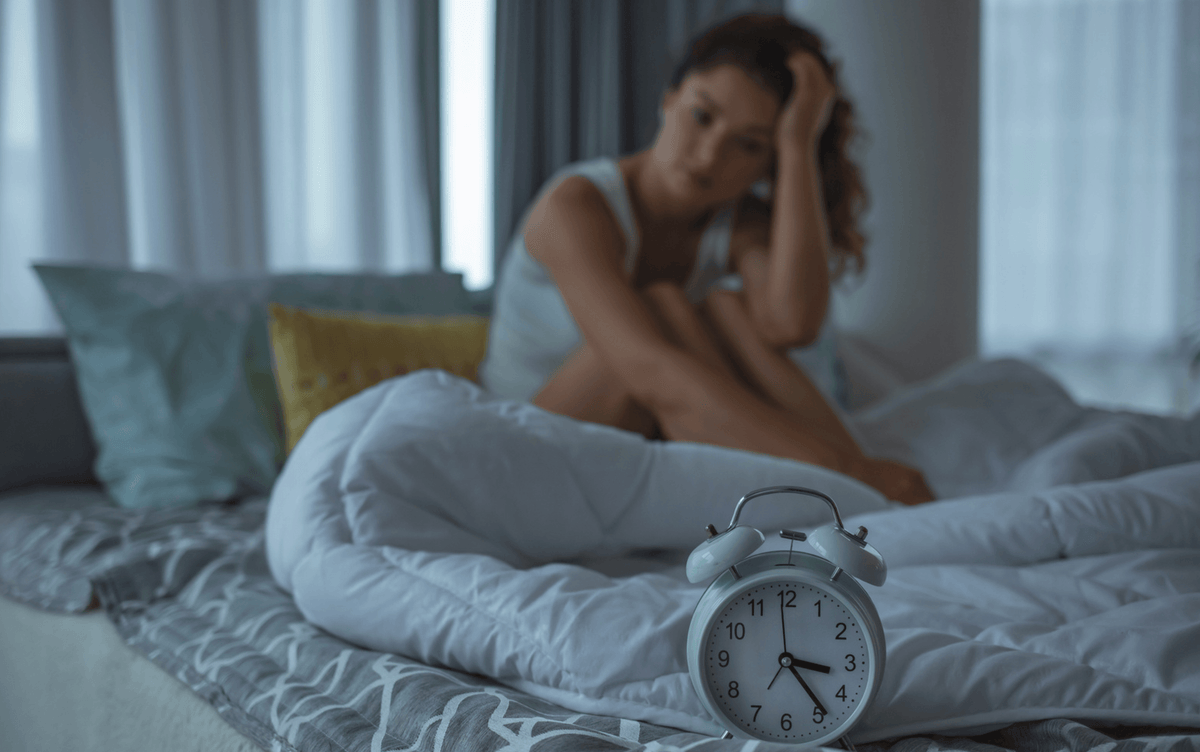
Waking up at 2 a.m., your shirt soaked, your heart racing, unable to fall back asleep. It’s not all in your head. It’s a physiological phenomenon—well-documented—and it affects the majority of women between the ages of 45 and 55.
Night sweats associated with menopause are one of the most disruptive symptoms of this time in a woman’s life. They interfere with sleep, concentration, and mood—and often with self-confidence as well. Understanding what’s happening in your body is the first step toward regaining control.

What's Happening Inside Your Body: The Mechanism Explained
It all starts in the hypothalamus, a small area of the brain that acts as a thermostat. Normally, it keeps your body temperature within a specific range.
During menopause, estrogen levels drop. These hormones help regulate the hypothalamus. Without them, the thermal comfort zone narrows considerably. Even the slightest temperature fluctuation—no matter how small—is interpreted as overheating.
The result: the hypothalamus triggers an alarm. The blood vessels dilate (vasodilation), the skin reddens, and you sweat profusely to “cool down” a body that wasn’t really overheated. This is called a vasomotor symptom.
At night, this mechanism is particularly bothersome because the body is already regulating its temperature to promote sleep. Even the slightest disturbance is enough to wake you up.
By the numbers: Between 60% and 80% of women in perimenopause or menopause report vasomotor symptoms, including night sweats [Source: PMC/NIH, Menopause, 2020 - pmc.ncbi.nlm.nih.gov/articles/PMC6934911].

5 Causes of Night Sweats During Menopause
1. Hormonal decline (the main cause)
That is the root of the problem. A drop in estrogen—and, to a lesser extent, progesterone—disrupts thermoregulation. The more abrupt the hormonal fluctuations (as during perimenopause), the more intense the episodes are.
2. Stress and Anxiety
Stress activates the sympathetic nervous system and releases norepinephrine, a neurotransmitter that further lowers the threshold for hot flashes. A busy day or a restless night can cause night sweats to intensify.
3. Food and Beverages
Certain foods are real triggers: alcohol, coffee, tea, spicy foods, and heavy evening meals. They raise body temperature or stimulate the nervous system, which is enough to trigger an episode. Feeling hot at night after a glass of red wine is very common—and very preventable.
4. The Sleep Environment
A room that's too hot, a comforter that's too thick, synthetic sheets that trap heat—these are all factors that increase night sweats. The environment doesn't cause night sweats, but it significantly worsens them.
5. Certain medications
Antidepressants (particularly SSRIs), hormone treatments with incorrect dosages, and certain medications for high blood pressure or diabetes can cause or worsen night sweats. If you have recently changed your treatment and your sweating has gotten worse, talk to your doctor.

3 Natural Solutions That Really Work
Solution 1 - Optimize Your Sleep Environment
This is the foundation, and it's often underestimated. Here are a few practical adjustments:
- Room temperature between 16 and 19 °C —this is the recommended range for quality sleep and to minimize temperature-related triggers.
- Keep a glass of cold water on your nightstand.
- Air out the room for 10 minutes before going to bed.
- Avoid alcohol, coffee, and spicy foods at least 3 hours before bedtime.
Solution 2 - Choosing the Right Bedding and Clothing
Materials matter a great deal. Prioritize:
- Cotton, linen, or bamboo for sheets and sleepwear—these fibers wick away moisture and allow the fabric to breathe.
- Avoid polyester and synthetic fabrics, which trap heat.
- Choose two lightweight comforters instead of one thick one, so you can easily adjust the warmth.
This simple change reduces the severity of episodes for many women as early as the first few nights.

Solution 3 - Targeted cryotherapy: the fastest relief
When a crisis strikes at 3 a.m., Solutions 1 and 2 are no longer enough. You need something that works immediately.
Applying cold to areas with a high density of blood vessels (wrists, nape of the neck, décolletage) triggers rapid vasoconstriction—the exact opposite of what the hypothalamus has just caused. The sensation of heat fades within a few seconds.
That’s the principle behind the Héra cryotherapy device for night sweats: a portable device that lowers skin temperature to -15 °C in a matter of seconds, without medication or hormones. It can be used right in bed, in less than a minute.
Please note: Héra is a wellness device, not a medical device. It does not treat menopause or its hormonal causes. It relieves symptoms—quickly and without side effects.
96% of users report feeling relief, and more than 6,000 women use it today. It is a complementary option to other lifestyle and dietary measures, not a substitute for medical care.
Need immediate relief in the middle of the night?
Héra delivers targeted cooling at -15 °C to the wrists, the nape of the neck, or the décolletage in less than a minute—without hormones or medication.
Discover Hera →⚠️ Medical Warning
This article is provided for informational purposes only. It is not a substitute for medical advice. If you experience persistent, severe, or unusual symptoms, consult your doctor or gynecologist. Night sweats may, in rare cases, be related to other medical conditions (infections, thyroid disorders, certain cancers) that require a medical diagnosis.
FAQ - Your Most Frequently Asked Questions
Why do I sweat at night for no apparent reason?
In women between the ages of 45 and 55, the most common cause is the menopausal transition. The drop in estrogen disrupts the hypothalamus, which triggers episodes of night sweats in response to normal temperature fluctuations. If you are not going through menopause or if the sweats are accompanied by other symptoms (fever, weight loss, swollen lymph nodes), see a doctor to rule out other causes.
Night sweats during menopause: What should you do in an emergency at night?
In the event of an attack, the goal is to cool the body down quickly. Apply something cold to your wrists, the back of your neck, or your neckline (ice cubes wrapped in a cloth, a cold pack, or a targeted cryotherapy device). Drink a glass of cold water. Breathe slowly. The attack usually lasts 3 to 5 minutes.
How can you stop night sweats for good?
There is no single miracle solution. The most effective approach combines the following: a cool sleeping environment (16–19 °C), bedding made of natural fibers, avoiding dietary triggers (alcohol, coffee, and spicy foods in the evening), stress management, and, if necessary, medical treatment discussed with your gynecologist (hormone therapy for menopause or non-hormonal alternatives).
What natural treatments are available for night sweats?
Among the best-documented natural approaches are: optimizing the sleep environment, natural fibers, reducing dietary triggers, cardiac coherence, and meditation. Herbal medicine (common sage, black cohosh) is sometimes mentioned, but clinical evidence remains limited, and certain herbs have contraindications—consult a healthcare professional before using them.
Night sweats in menopausal women: Is this normal?
Yes, it’s one of the most common symptoms of menopause. Experiencing intense hot flashes at night—whether or not accompanied by sweating—is directly linked to the hormonal changes that occur during this time. This doesn’t mean you have to “just deal with it”: solutions exist, ranging from the simplest (environmental adjustments, bedding) to the most medical (hormone therapy), including complementary approaches such as targeted cryotherapy.

Seen on TV
Héra, the portable cryotherapy device
Targeted, immediate cooling—without hormones or medication.
I'm discovering HeraSources
- PMC / NIH - Prevalence of vasomotor symptoms in menopause (2020): pmc.ncbi.nlm.nih.gov/articles/PMC6934911
- INSERM - Canal Détox: Cryotherapy—Is Cold Therapy an Effective Treatment?: presse.inserm.fr/canal-detox/cryotherapie-soigner-efficacement-par-le-froidvraiment
- PMC / NIH - Menopausal vasomotor symptoms: a review of causes, effects, and evidence-based treatments: pmc.ncbi.nlm.nih.gov/articles/PMC3185243
- GEMVI (Study Group on Menopause and Hormonal Aging) - News on vasomotor symptoms: gemvi.org/wp-content/uploads/2022/06/actu-13-doc.pdf
Leave a comment
All comments are moderated before being posted.
This site is protected by hCaptcha, and hCaptcha’s Privacy Policy and Terms of Service apply.