
TL;DR
- Perimenopause is the hormonal transition phase that precedes menopause—it can last from 2 to 10 years.
- It often starts around age 45, sometimes as early as 40, and ends when periods have been absent for 12 consecutive months.
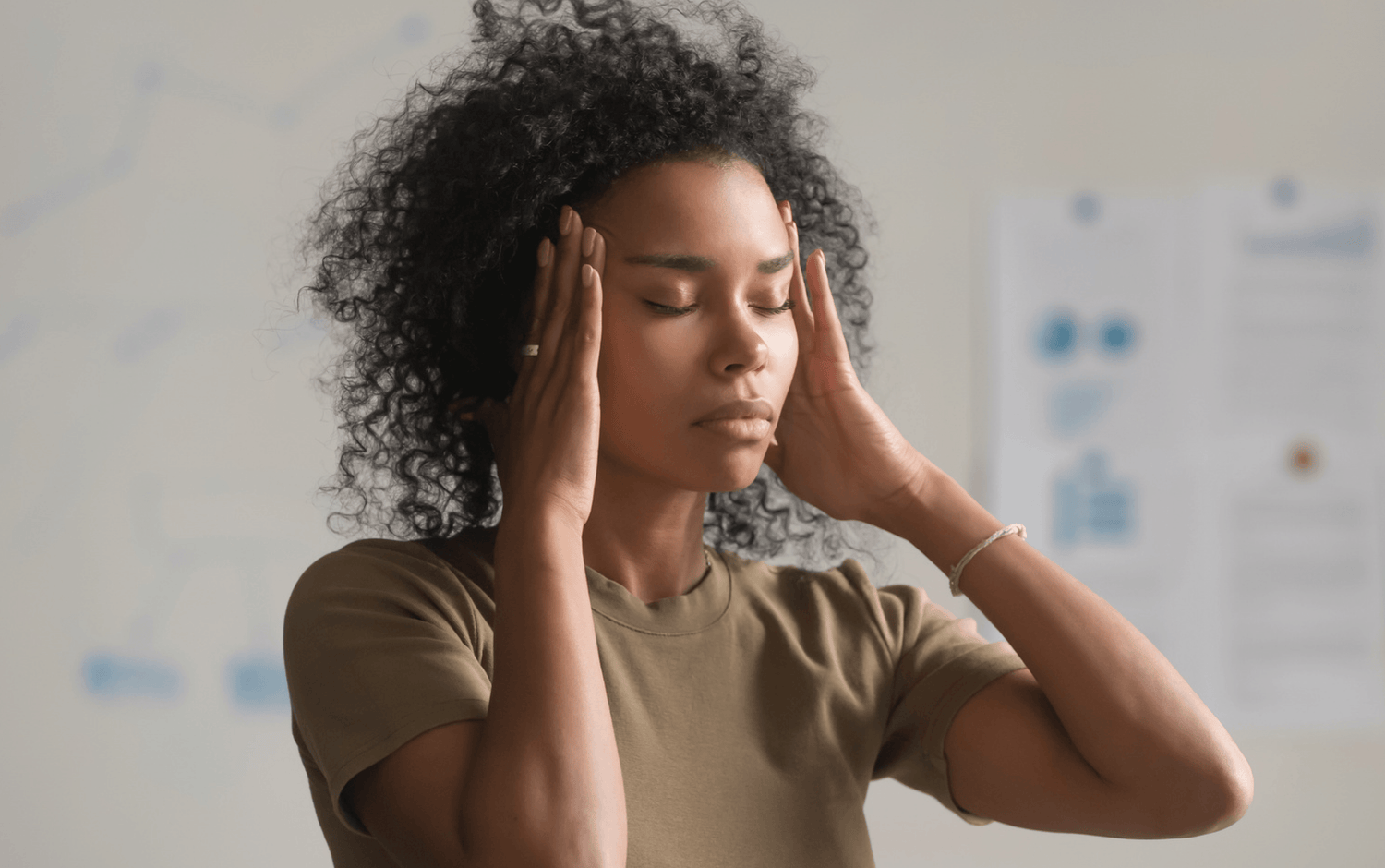
- Symptoms are very varied: hot flashes, sleep disorders, mood swings, brain fog, joint pain… and are often confused with anxiety or burnout.
- You are not crazy. Your body is going through a real, documented, and manageable hormonal transition.
Perimenopause vs. menopause: what's the difference?
Many women use both terms interchangeably. It’s an understandable mistake, but the distinction changes everything.
Menopause is a specific event: the permanent cessation of periods, confirmed after 12 consecutive months without menstruation. In France, the median age is around 51. [Source: Ameli.fr]
Perimenopause (also called premenopause) is the entire transition period leading up to that point. The ovaries still produce estrogen, but irregularly and in decreasing amounts. This hormonal yo-yo is what causes nearly all the symptoms you are feeling.
Average duration: 4 to 8 years, sometimes less, sometimes up to 10 years according to the NHS. In other words, you can experience perimenopause symptoms for an entire decade before your periods actually stop.

The top 10 signs of perimenopause
1. 🔥 Onset of hot flashes
A sudden wave of heat that rises from the chest to the face, sometimes accompanied by flushing and palpitations. It lasts for a few seconds to a few minutes, then passes—but it returns.
Why? The drop in estrogen disrupts the brain's internal thermostat (the hypothalamus), which sends false overheating signals. [Source: NHS]
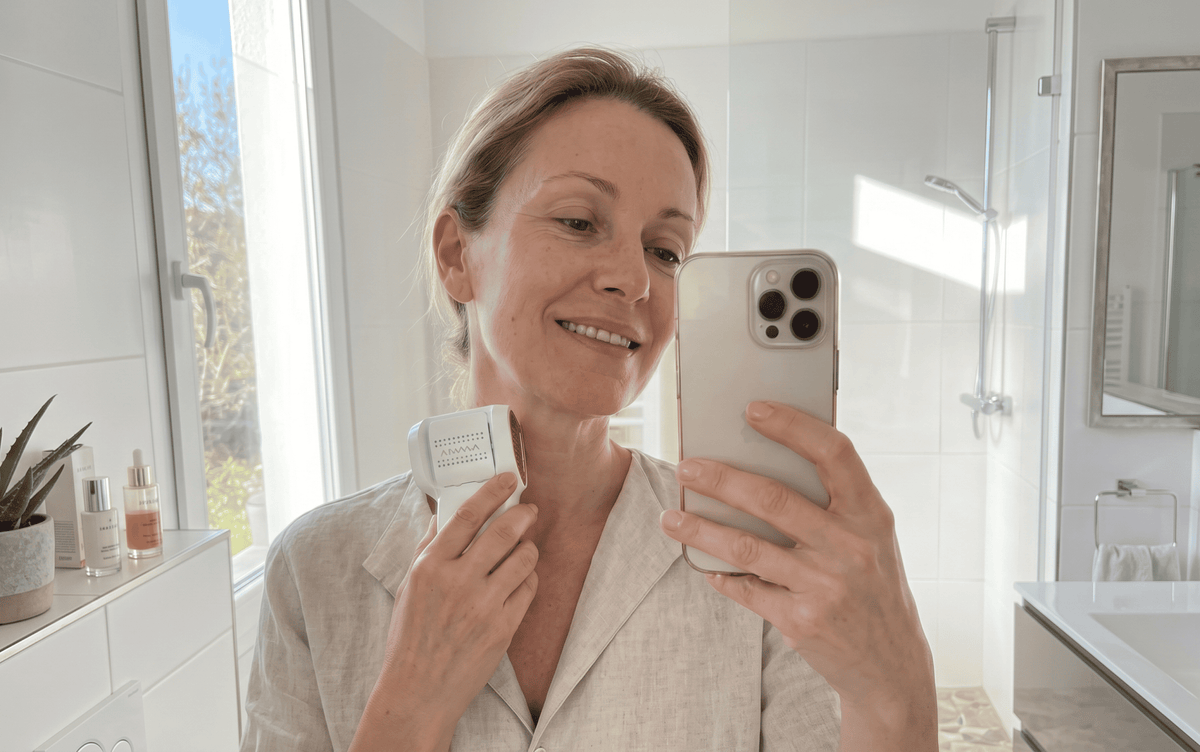
Practical tip: Avoid classic triggers—coffee, alcohol, spices, intense stress. For immediate relief, localized cryotherapy (applying cold to the neck or wrist) can stop the surge of heat in seconds. This is the principle behind Héra, a portable cryotherapy device designed for women in hormonal transition—you can find more information on natural solutions for perimenopause.
2. 💦 Night sweats
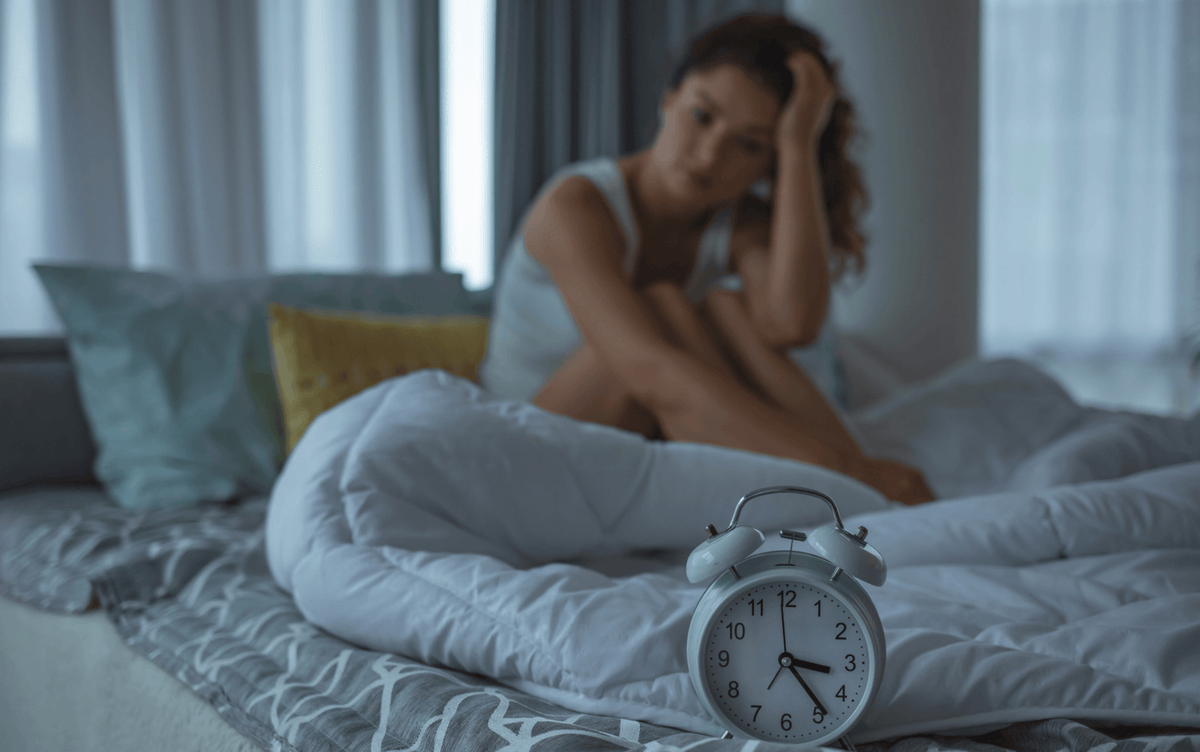
You wake up at 3 a.m., drenched, your heart pounding. You change your t-shirt. You struggle to fall back asleep. The next day, you are exhausted.
Why? It is the same mechanism as hot flashes, but triggered at night. Nocturnal hormonal fluctuations are often more intense.
Practical tip: Sleep in a cool room (around 18°C/64°F) with natural fiber sheets. Keeping a cooling device close at hand—like Héra—allows you to interrupt the sweating in a few seconds without getting up.
Hot flashes and night sweats: taking action in the moment
Héra applies targeted -15°C cold to the neck, wrists, or chest in less than a minute—no hormones, no medication. Use it in bed or at the office.
Discover Héra →3. 📅 Irregular menstrual cycles
This is often the first sign that something is changing. Periods come earlier, later, heavier, lighter—or disappear for a month and return twice the next month.
Why? The ovaries no longer release an egg every cycle in a reliable way. Estrogen and progesterone levels fluctuate, which makes the endometrium unstable.
Practical tip: Track your cycles in an app (Clue, Flo). If bleeding is very heavy (changing protection every hour) or if you bleed between periods, consult your doctor.
4. 😴 Sleep disturbances
You fall asleep easily, but wake up at 2 or 4 a.m. with a racing brain. Or you simply can't fall asleep at all.
Why? Progesterone has a naturally sedative effect. When it drops, deep sleep becomes fragmented. Night sweats make the situation even worse.
Practical tip: Establish a strict bedtime ritual, turn off screens 1 hour before sleeping, and avoid alcohol in the evening (it worsens night wakings even if it helps you fall asleep).
5. 😤 Mood swings and irritability
You snap over little things. You cry at a commercial. You feel on edge for no apparent reason.
Why? Estrogen directly influences serotonin and dopamine—the feel-good neurotransmitters. When hormones fluctuate, mood follows.
Practical tip: Explain what you are going through to your loved ones. This isn't "being difficult," it's a biological reality. Regularly practicing moderate physical activity helps stabilize your mood.
6. 🧠 Brain fog
You forget the right word in the middle of a sentence. You walk into a room and forget why. You read the same line three times.
Why? Estrogen plays a role in working memory and concentration. Its fluctuating decline can temporarily affect cognitive functions. [Source: NHS]
Practical tip: It is temporary. Quality sleep is the best remedy. Memory exercises, meditation, and stress reduction also help.
7. 😮💨 Unexplained fatigue
Not just "a bit tired"—a leaden fatigue that doesn't go away with rest. You can sleep for 8 hours and wake up exhausted.
Why? Hormonal fluctuations disrupt energy metabolism. Sleep disorders accumulate. And often, latent anxiety consumes a lot of energy.
Practical tip: Have your thyroid and iron levels (ferritin) checked—fatigue can have multiple simultaneous causes at this stage of life.
8. 🌵 Intimate dryness
Vaginal dryness, itching, painful intercourse. This is one of the least discussed symptoms, yet one of the most common.
Why? Estrogen maintains the elasticity and lubrication of vaginal tissues. Its decline leads to progressive atrophy.
Practical tip: Hormone-free vaginal moisturizers (based on hyaluronic acid) and lubricants exist and are effective. Speak to your doctor or midwife about it without delay.
9. ⚖️ Abdominal weight gain
The scale doesn't necessarily move, but your silhouette changes. Fat is redistributed to the abdomen, even without changing your diet.
Why? Lower estrogen levels change the way the body stores fat—less in the periphery (hips, thighs), more in the center (belly). Your basal metabolic rate also slows down slightly.
Practical tip: Prioritize light strength training over just cardio—it maintains the muscle mass that supports your metabolism. Reduce simple sugars and alcohol.
10. 🦴 Joint pain
Stiffness in the morning, pain in the knees, wrists, or shoulders—without any identifiable injury.
Why? Estrogen has an anti-inflammatory effect and contributes to cartilage lubrication. When it drops, joint inflammation can increase. [Source: arthrite.ca]
Practical tip: Gentle yoga, swimming, and daily stretching help maintain mobility. If the pain is intense or asymmetrical, consult a doctor to rule out arthritis.

When to see a doctor?
Perimenopause is a normal transition—but certain signs warrant a quick consultation:
- Very heavy bleeding (changing protection every hour for several hours)
- Repeated bleeding between periods
- Severe depression or dark thoughts
- Persistent heart palpitations
- Symptoms before age 40 (premature ovarian insufficiency)
- Bleeding after 12 months without periods (always explore)
A hormonal blood test (FSH, estradiol) is not systematically necessary after 45 if the clinical picture is typical—the diagnosis of perimenopause is primarily clinical. However, your doctor can help you evaluate if Hormone Replacement Therapy (HRT) or other options are suitable for your situation.
⚠️ Medical disclaimer
This article is for informational and educational purposes only. It is not a substitute for professional medical advice. If you think you are in perimenopause or if your symptoms are affecting your quality of life, consult your general practitioner, gynecologist, or midwife.
FAQ - Perimenopause: the most frequently asked questions
What exactly is perimenopause?
Perimenopause is the hormonal transition phase that precedes menopause. The ovaries still produce estrogen but in an irregular and decreasing manner. This period causes a wide variety of symptoms—hot flashes, sleep disorders, mood swings—and ends when periods have been absent for 12 consecutive months.
How long does perimenopause last?
The duration varies greatly from one woman to another. On average, it lasts 4 to 8 years, but it can be as short as a few months or exceed 10 years. According to the NHS, symptoms generally last 7 to 9 years in total, sometimes longer.
At what age does perimenopause begin?
It most often starts between 45 and 47, but can begin as early as 40. A start before 40 is considered premature ovarian insufficiency and requires specific medical management.
Perimenopause symptoms: what to do daily?
Start by documenting your symptoms (cycle app, journal). Adopt a healthy lifestyle: regular sleep, moderate physical activity, balanced diet, and reducing alcohol and coffee. Talk to your doctor—options exist, from hormone therapy to non-hormonal approaches. And above all: do not downplay what you are feeling.
What is the difference between perimenopause and menopause?
Perimenopause is the transition phase (several years), during which periods become irregular and symptoms appear. Menopause is the finish line: the permanent cessation of periods, confirmed after 12 months without menstruation. After this point, it is referred to as postmenopause.

Seen on TV
Héra, the portable cryotherapy device
Targeted and immediate cold, without hormones or medication.
Discover HéraSources
- NHS - Symptoms of menopause and perimenopause (page revised May 2026)
- Ameli.fr - Perimenopause, premenopause: symptoms and contraception
- Hello Clue - Everything about menopause and perimenopause
- Arthritis Canada - Menopause and arthritis
- NICE Guideline NG23 - Menopause: identification and management
Leave a comment
All comments are moderated before being published.
This site is protected by hCaptcha and the hCaptcha Privacy Policy and Terms of Service apply.