

Menopause is not just a hormonal change; it is a complete upheaval of both body and mind, often misunderstood and sometimes poorly managed. We think we are prepared; we tell ourselves it will pass. But when hot flashes arrive in the middle of the night, when energy drops without warning and creates extreme fatigue, when the body becomes painful for no reason... we realize it is not "just a phase."
This period can be accompanied by menopause symptoms as varied as they are exhausting: night sweats, sleep disorders, weight gain, joint pain, urinary issues, anxiety, persistent fatigue, not to mention that vague impression that something has changed... without always being able to put words to it.
- What is cryotherapy?
- What are the benefits of cold for menopausal women?
- What is perineal cryotherapy?
- What are the benefits of cold for the perineum?
- What should you remember about this?
While hormone replacement therapies are raising more and more questions due to their side effects and the risk of cancer or cardiovascular complications, many women are looking for natural, gentle, yet effective solutions. That is where cryotherapy and the Héra device from Athana come into play.
Still not well known to the general public, this cold therapy applied to a key area like the perineum opens new paths for pain relief, sleep improvement, inflammation reduction, and even circulation stimulation. In this article, we will explore what cryotherapy for menopause can really provide. No magic promises, just concrete, proven benefits and a new way of taking care of yourself—let’s get started!
What is cryotherapy?
 Before we get into the details of its application during menopause, let’s start at the beginning: what exactly is cryotherapy?
It is simply a cold treatment used for therapeutic purposes. An ancient technique, rediscovered and modernized, that relies on a simple principle: exposing the body to very low temperatures to trigger natural defense and regeneration reactions. This exposure can be done globally, in refrigerated chambers at -110°C for a few minutes, or in a targeted manner through cold packs, cryo-sprays, or devices designed to treat specific areas of the body.
But why cold? Because when the body is faced with it, it reacts immediately: blood vessels contract, muscle tension relaxes, inflammation decreases, and once the exposure is over, blood circulation resumes with greater intensity. This vasoconstriction/vasodilation mechanism creates a decongesting effect, which allows for quick pain relief and a lasting sensation of well-being.
Cold therapy is now used in many fields: sports recovery, chronic pain, aesthetic treatments, stress, circulatory disorders... And now, it has found its place in supporting certain stages of women's lives, such as menopause, where the benefits of cold address many of the discomforts mentioned earlier.
Is cryotherapy good for menopause?
 To this question, the answer is clear: yes, cryotherapy can be a valuable ally during menopause. It is not a miracle cure, but a method that acts concretely on several fronts at once, without disrupting the body.
What you need to understand is that cold therapy does not claim to correct the hormonal imbalance itself, as it does not replace estrogen or progesterone. However, it attacks directly what these hormonal fluctuations cause: hot flashes, pelvic discomfort, sleep disorders, insomnia, pain, fatigue, irritability... all manifestations that cryotherapy can help relieve.
By exposing the body, via targeted areas such as the chest, the back of the neck, or the perineum, to a cold temperature controlled by the Héra device, we trigger natural mechanisms: reduction of inflammation, soothing of pain, release of endorphins, improvement of sleep, and even stimulation of blood circulation. All this, without chemistry, without side effects, and without being harsh on the body.
What women particularly appreciate is this gentle, non-invasive approach to thermosensitive areas, which helps them live their daily lives better without having to choose between their comfort and their health. In a period like menopause, this hormonal stability through well-being, rather than systematic medication, makes all the difference!
What are the benefits of cold for menopausal women?
 Therapeutic cold is not limited to a fleeting sensation of freshness. When applied in a targeted manner, it activates a series of natural reactions in the body that can truly improve the daily lives of menopausal women.
At this stage of life, menopause symptoms can accumulate: many discomforts that cryotherapy can help soothe without resorting to invasive treatments. In the following sections, we will see how cold acts precisely on each of these symptoms, and why it becomes a valuable natural solution to support women during this period of hormonal transition.
Relieves hot flashes
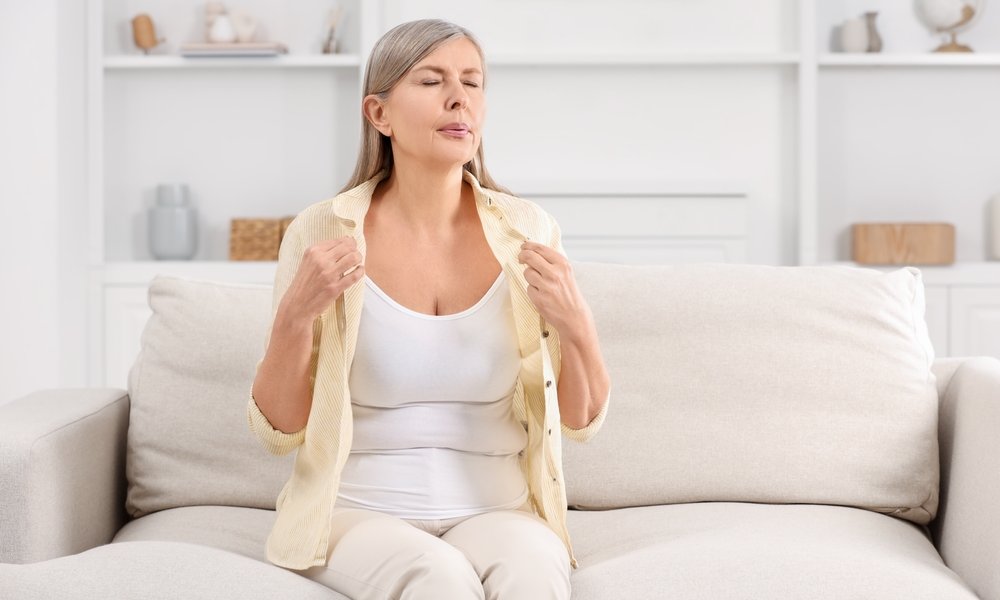
Hot flashes are among the most frequent and most dreaded symptoms of menopause. They affect about 8 out of 10 women, sometimes several times a day, disrupting both days and nights.
They are triggered by hormonal fluctuations, which disorganize the body's temperature regulation system. The result: the body overheats, the heart races, sweat appears... and well-being takes a hit. This is exactly where cold comes into play. By quickly reducing the core temperature, it helps calm these thermal spikes and restore a feeling of comfort; the effect is almost immediate: blood vessels tighten, perspiration slows down, the body stabilizes.
Targeted solutions like Héra make this relief even more accessible. Thanks to localized application on key areas of the body, this cryotherapy device acts directly where thermoregulation takes place: without stress, without constraints, and without side effects.
Improves sleep quality
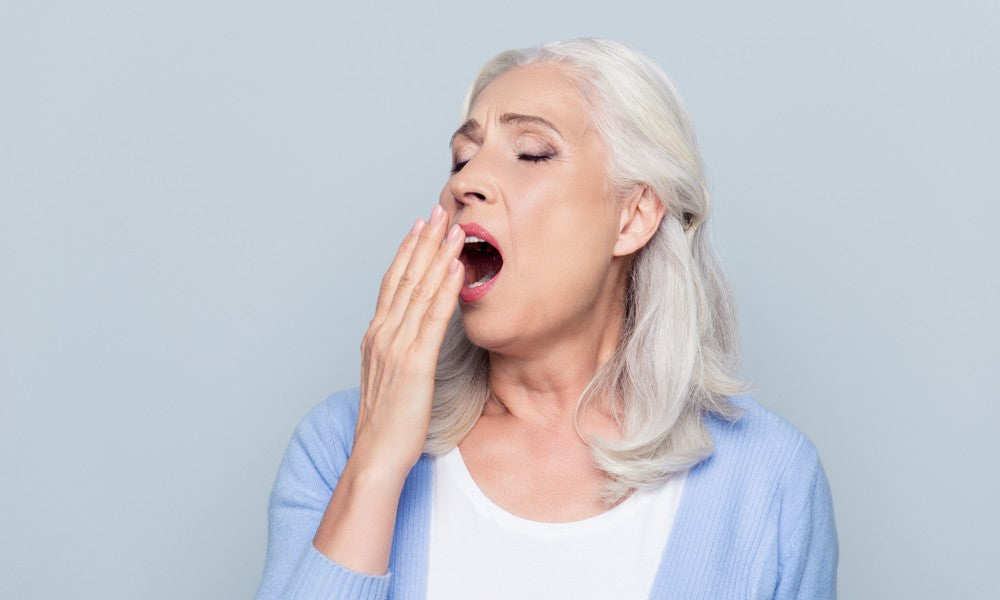
Menopause and sleep are often complicated. Between hot flashes, night sweats, frequent awakenings, and the inability to fall back asleep, nights become short and restless... and the days all the more exhausting!
Therapeutic cold can really change things.
By naturally lowering the body temperature, cryotherapy helps the brain initiate the sleep process. It is a sort of biological signal: when the body cools down, the organism immediately understands that it is time to slow down and rest. This mechanism promotes deeper, less fragmented, and therefore more restorative sleep.
Used in the evening, cold helps you fall asleep better, but also limits awakenings linked to night sweats, to help you return to a more stable sleep rhythm.
Maintains good mental health
What we experience during menopause is not just physical; mental health is also put to the test. Between hormonal variations, lack of sleep, the onset of pain, and emotional rollercoasters, it sometimes becomes difficult to stay on track. Anxiety creeps in, irritability increases, and even small daily things can feel overwhelming.
Cryotherapy, by acting on the nervous system, can truly soothe this internal storm.
Cold stimulates the release of endorphins, those famous well-being hormones that help stabilize mood and calm mental agitation: a few minutes of well-targeted cold can be enough to relax the body... and lighten the mind.
This boost is all the more valuable because it is natural, non-habit-forming, and easily accessible. In a period where everything sometimes seems blurry or unstable, this little physical anchoring often allows you to regain a bit of clarity, calm, and self-presence.
Relieves inflammation and pain
With age and hormonal changes, it is common for the body to become more sensitive. Joint pain, muscle tension, or pelvic pain are not rare in menopausal women. And often, this pain takes hold, without us really knowing how to soothe it without medication.
This is where cold shows its true utility.
Acting as a natural anti-inflammatory, it helps reduce tissue inflammation, soothe irritated areas, and limit swelling linked to poor circulation or accumulated tension. Cryotherapy, applied locally, temporarily blocks pain receptors and then restarts blood circulation in the area concerned. The result: a feeling of lightness, relief, and above all, a solution without side effects.
Prevents weight gain
Weight gain during menopause is not a myth, because even without changing your diet or physical activity, the body starts to store fat more easily, especially around the stomach. The metabolism slows down due to the decrease in estrogen, which has consequences: we burn fewer calories and accumulate them faster.
Cryotherapy, by exposing the body to a colder temperature, naturally stimulates energy expenditure. To maintain its internal temperature, the body activates its resources, accelerates the metabolism, and burns more calories, even at rest. This process, known as thermogenesis, allows for a gentle fat-burning effect.
It is a small, natural, non-invasive boost that obviously does not replace a healthy lifestyle, but can truly help limit weight gain in menopausal women, without constraints or frustration.
What is perineal cryotherapy?
 We talk a lot about whole-body cryotherapy, but perineal cryotherapy, also known as a derivative bath or sitz bath, remains little known, yet it deserves all our attention for menopausal women. The principle is simple: apply cold, in a localized way, to the perineal region, located between the anus and the genitals.
Why this area? Because it is at the crossroads of many vital functions: the urinary sphere, reproductive organs, digestion, circulation, pelvic floor... it is also an area very sensitive to hormonal changes, and therefore often prone to discomfort: pain, irritation, dryness, a feeling of heaviness, or even inflammation.
Perineal cryotherapy helps soothe these symptoms in just a few minutes, using cold to promote vasoconstriction, calm tissues, reduce inflammation, and stimulate local blood circulation. It is a gentle, natural, drug-free approach that acts immediately.
What are the benefits of cold on the perineum?
The perineum, often overlooked in standard medical discussions, actually plays a central role in pelvic stability, continence, sexuality, and general comfort. With menopause, it becomes more fragile: tissues loosen, mucous membranes dry out, circulation decreases, and discomforts accumulate. This is precisely where perineal cryotherapy makes perfect sense; by applying cold to this key area, a cascade of positive effects is achieved:
- A reduction in inflammation: irritated or congested tissues are calmed, and the sensation of burning or tension disappears almost instantly.
- Pain relief: whether due to vaginal atrophy, muscle tension, or returning to physical activity, cold soothes sensitive areas with a gentleness that few other methods can provide.
- Stimulation of blood circulation: by alternating the contraction and relaxation of vessels, cold boosts microcirculation, which promotes better tissue regeneration.
- Emotional soothing: we often forget that pelvic pain has a direct impact on mood. Feeling relieved also means feeling freer, more relaxed, and more confident in one’s body.
Thanks to devices like Héra, these benefits are accessible to everyone, without embarrassment, without a prescription, and without risk. It is a concrete, modern, and caring way to take care of yourself during the sometimes delicate phase of menopause.
What to remember about this?

Faced with the upheavals of menopause, it is easy to feel overwhelmed. Conventional treatments do not suit everyone, and many women are now looking for gentler alternatives that are more respectful of their bodies.
Cryotherapy is not just another wellness trend. It is a targeted approach designed to support the symptoms of this transitional period: hot flashes, restless sleep, abdominal weight gain, pain that arrives uninvited, or simply the feeling of a disconnect between body and mind.
With the emergence of solutions like the Héra device, this cold therapy becomes simple to integrate into daily life: no need for extreme effort or heavy medication. Just a break. A gesture that brings relief. A moment for yourself.
Ultimately, what cryotherapy provides is not just comfort; it is a way to reconnect with your body in a different way. To listen to its needs, soothe its tensions, and redefine what well-being can be... at 50, 60, or older.
FAQ
What are the benefits of a cold pack for the perineum? A cold pack applied to the perineum helps reduce inflammation, soothe pain after exertion, irritation, or a procedure, and relieve intimate discomfort. It is particularly useful postpartum, in case of discomfort related to menopause, or simply to promote tissue recovery. Cold acts quickly, without being harsh, and offers a natural and effective solution.
Who should not use cryotherapy? Cryotherapy is contraindicated for certain people: those suffering from serious circulatory disorders (such as Raynaud's disease), severe heart conditions, neurological disorders, or cold allergies. For pregnant women or in case of doubt, it is best to seek medical advice.
Why apply cold to the vulva? Applying cold to the vulva helps soothe sensations of burning, itching, or pain linked to intimate dryness or sexual intercourse. It also promotes a reduction in local inflammation and better circulation, without irritating the tissues.
How can I have beautiful skin during menopause? Skin changes with the drop in estrogen: it becomes thinner, drier, and less firm. To preserve it, focus on deep hydration, treatments rich in fatty acids and antioxidants, and a balanced diet.
How can I regain my energy during menopause? Fatigue, loss of motivation, low mood... these are common during menopause. To cope with them, the ideal approach is to work on several levers: quality sleep, a vibrant diet, adaptogenic plants, some gentle exercise, and moments of real relaxation. Cryotherapy, by stimulating the nervous system and promoting recovery, can also play a role in this energy boost.
Leave a comment
All comments are moderated before being published.
This site is protected by hCaptcha and the hCaptcha Privacy Policy and Terms of Service apply.