

Are you in the middle of a meeting, in the middle of the night, or simply enjoying time with your children… and suddenly, without warning, a wave of heat washes over you, accompanied by flushing and sweating? If so, you are not alone. These hot flashes are among the most frequent menopause symptoms, much like lower abdominal pain.
This phenomenon, as intense as it is unpredictable, is triggered by a sudden decrease in estrogen levels, which disrupts the body's temperature regulation system. The result? The brain misinterprets the signals, triggering waves of heat even when the outside temperature is normal. And the greater the hormonal fluctuations, the more the frequency of the flashes increases, making daily life sometimes difficult to manage… just like repetitive insomnia.
- What is a hot flash?
- Why do they occur during menopause?
- What natural solutions can relieve them?
- Should you consider hormone therapy?
- Conclusion: towards natural well-being
Naturally, there are hormonal treatments to alleviate these symptoms.
However, not all women can, or want to, use them. Due to fear of side effects, or simply a desire for gentler, more body-respectful solutions. This is where hormone-free solutions, medicinal plants, dietary supplements, or even cryotherapy come into play.
In this article, we will dissect the causes of hot flashes, understand why they occur, and most importantly, offer you a range of natural solutions to relieve them effectively. The goal? To give you back control of your body, and your comfort, during this transitional period that is menopause.
Hot flashes, a symptom of menopause
 If you are in the midst of perimenopause or are already menopausal, you have likely experienced this sudden, almost overwhelming sensation of intense heat. Your face heating up, your neck flushing, your back covered in sweat… during the day or in the middle of the night. These hot flashes never give a warning; they just arrive, sometimes several times a day, leaving you tired, irritable, and uncomfortable. And no, it is not "all in your head"—it is a very real biological reaction.
They are the result of a hormonal imbalance, more specifically a sudden drop in estrogen. This decline disrupts the functioning of the hypothalamus, the brain's "thermostat," which normally regulates body temperature. The result: your body thinks it is too hot when it is not, and it triggers an inappropriate response: sudden perspiration, flushing, a sensation of heat, and sometimes even palpitations.
But hot flashes are only the tip of the iceberg; in fact, there are a multitude of menopause symptoms that are essential to know in order to better understand them. Here are the most frequent ones:
- Vaginal dryness and intimate discomfort
- Sleep disorders (insomnia, waking up at night)
- Night sweats
- Mood swings, irritability
- Physical and mental fatigue
- Decreased libido
- Urinary issues (frequent urges, infections)
- Weight gain or bloated stomach
- Lack of concentration or memory issues
- Joint or muscle pain
- Anxiety, stress, or feelings of depression
Every woman experiences this transition in her own way, with her own cocktail of symptoms. But one thing is certain: understanding what is happening is the first step toward taking back power over your body.
Why do they occur during menopause?

Hot flashes are not there by accident. They are directly linked to the hormonal changes that accompany menopause, and specifically to the marked decrease in estrogen, hormones essential to the balance of the female body.
During perimenopause, that often chaotic transition period preceding the final cessation of periods, hormone levels begin to drop irregularly. This imbalance disrupts an area of the brain called the hypothalamus, our actual internal thermostat, and the result: the body incorrectly thinks it is overheating. So, to protect itself, it triggers an immediate reaction: dilation of blood vessels, sudden sweats, a burning sensation… that is the famous hot flash.
This mechanism can occur day or night—which we call night sweats—and it does not affect all women in the same way. Some have a few per week, while others suffer up to ten a day. On average, nearly 75% of menopausal women report suffering from them to varying degrees.
And it is not necessarily temporary.
These symptoms can start well before menopause itself and persist for several years after, during post-menopause. For many, it is a real daily nuisance that impacts sleep, mood, concentration… and overall quality of life.
But rest assured: understanding this hormonal mechanism is the first step toward taking action. And good news: there are many natural solutions today to regain control.
Aggravating factors to avoid
While hot flashes are directly linked to the hormonal fluctuations of menopause, certain elements of your daily life can, without you realizing it, increase their frequency or intensity.
Identifying these factors is often a turning point; it allows you not only to better anticipate the episodes but also to take concrete action to reduce their impact on your quality of life. Here are the main aggravating factors to avoid or limit:
- Caffeine, alcohol, and spicy foods: These substances stimulate the nervous system, dilate blood vessels, and increase body temperature. A coffee in the morning, a glass of wine in the evening, or a spicy dish can be enough to trigger a hot flash in some women. It is better to consume them in moderation or even avoid them if you suspect they are worsening your symptoms.
- Stress and anxiety: Mental load, looping thoughts, hypervigilance… these all contribute to a state of chronic alertness. This constant stress disrupts the brain's thermal signals and promotes night sweats or hot flashes during the day.
- Ambient heat: Heating set too high, poorly ventilated rooms, heatwaves… The body, already sensitive to thermal regulation, can overreact. Try to maintain a cool environment as much as possible, especially in your bedroom.
- Tight clothing or synthetic fabrics: The skin needs to breathe. Non-breathable fabrics trap heat and prevent natural perspiration from evaporating. Choose loose-fitting clothing made of cotton or linen, which promote better regulation.
What natural solutions can relieve them?
 When hot flashes become too overwhelming, the temptation is great to turn to hormone treatments. But that is not always desired, nor even recommended.
Fortunately, there are now many hormone-free solutions that allow you to reduce symptoms while respecting the body's natural functioning.
Plants, supplements, the Héra device, gentle practices… let's explore the most effective options together, let's discover all of that together.
Cryotherapy with the Héra device
 When we talk about hot flashes, we immediately think of those burning waves that rise suddenly, destabilize us, and sometimes ruin our day. What if a small, discreet, and easy-to-use device could calm them instantly? This is exactly what Héra, the natural solution developed by Athana, offers.
Designed after three years of research and development, Héra uses thermoelectricity to produce targeted cold between 5 and 10°C. By applying the device to key thermal regulation areas (neck, chest, wrists, face), one obtains almost immediate relief. The thermoreceptor nerves are activated, and the body understands that it is time to calm down; the hot flash fades, the flushing subsides, and the sweating stops abruptly.
But that is not all: thanks to its exceptional battery life, Héra can be used at any time of the day or night. And to further personalize the experience, the associated mobile application allows you to track the frequency of episodes, adjust the cold levels, and better understand your own body. It is a hormone-free, side-effect-free solution that respects women's needs while offering concrete and rapid relief.
Already tested by more than 100 women, 97% reported immediate relief from hot flashes.
When technology meets female well-being, it creates a simple, accessible, and powerful tool. Héra is that breath of fresh air that gives us back control of our body and serenity to our mind.
Effective medicinal plants
Certain medicinal plants have been used for centuries to support women during this transition phase, with results that speak for themselves.
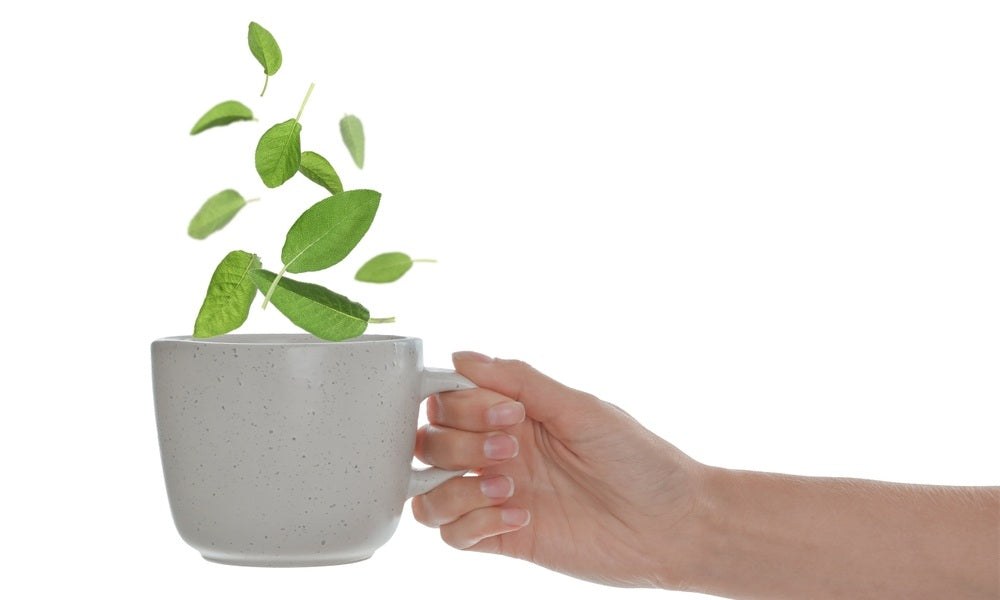
- Common sage is probably the best known. Thanks to its antiperspirant properties and its ability to regulate hormonal imbalances, it effectively acts on the frequency of flashes as well as night sweats.
- Black cohosh (or Cimicifuga racemosa) is another essential plant. It targets both vasomotor symptoms (such as hot flashes) and mood disorders. A good ally in case of difficult menopause.
- Red clover, rich in isoflavones (natural phytoestrogens), helps restore a certain hormonal balance. It offers gentle support without the undesirable effects that can be encountered with certain hormonal treatments.
These plants can be consumed as herbal teas, capsules, liquid extracts, or integrated into dietary supplements. The main thing is to respect the dosages and, if necessary, seek the advice of a healthcare professional.
Acupuncture and other gentle therapies
Originating from traditional Chinese medicine, acupuncture is a technique that involves stimulating specific energy points in the body using very fine needles. The goal is to restore the circulation of vital energy, or "Qi." Studies have shown that several sessions can significantly reduce the frequency and intensity of hot flashes, improve sleep, and calm irritability.
But that’s not all.
Other approaches, such as yoga, sophrology, or mindfulness meditation, also offer their own set of benefits: stress reduction, better emotional management, strengthening the body-mind connection… all tools for finding overall well-being.
These practices do not claim to cure everything, but they offer moments of respite, self-attunement, and often, a new, more peaceful balance.
Targeted food supplements
When the body struggles to regain its balance, food supplements can become true allies… provided, of course, that you choose them carefully and opt for formulas adapted to menopause.
Some contain phytoestrogens, these plant compounds that gently mimic the effect of estrogens in the body. Their action can help soothe hot flashes, as well as support mood and sleep quality.
B vitamins (notably B6 and B12) play a key role in managing stress and producing energy. Vitamin D, essential for bone health, can also help regulate mood, and of course, vitamin E, known for its antioxidant properties, provides valuable support for tissues as well as skin health.
Finally, omega-3s, found in fish oil or chia seeds, act on cardiovascular health, cognitive function, and emotional balance. A well-thought-out regimen can therefore provide real relief for women facing a difficult menopause.
A quick tip: even though these products are available over the counter, it is always best to seek the advice of a healthcare professional, especially if you are also taking medication.
The importance of a healthy lifestyle
Changing a few daily habits can sometimes make all the difference. During periods of hormonal change, your lifestyle becomes a powerful lever for soothing menopausal symptoms. Here are some effective tips:
- Move regularly: exercising, or even just a simple daily walk, can stimulate circulation, release endorphins (the famous "feel-good" hormones), and improve the body's thermoregulation.
- Eat a balanced diet: a diet rich in vegetables, fruits, whole grains, legumes, and healthy fats supports the hormonal system while stabilizing weight. Avoid refined sugars, processed meals, and stimulants that can worsen hot flashes.
- Sleep better: restorative sleep is essential… to achieve this, focus on a cool bedroom, a soothing routine, and avoid screens before bedtime.
- Manage stress intelligently: breathing, relaxation, sophrology, calming rituals... All practices that help you relieve pressure will have a direct impact on your symptoms.
Adopting a gentler, more mindful lifestyle is also a way to regain control over this hormonal transition and go through this period with greater ease.
Should you consider hormone therapy?
 When hot flashes become too frequent, too severe, and seriously disrupt quality of life, the question of hormone replacement therapy (HRT) may arise. Offered by some healthcare professionals in cases of difficult menopause, this treatment aims to compensate for the hormonal drop by reintroducing estrogens, sometimes combined with progesterone.
It must be acknowledged: this type of treatment can provide rapid and effective relief. Symptoms like night sweats, insomnia, irritability, or hot flashes can diminish within the first few weeks. For some women, it is truly a return to normal.
But this effectiveness has a downside; HRT is not without risks.
It can lead to side effects such as nausea, bloating, weight gain, or migraines. Even more concerning: numerous studies have highlighted an increased risk of hormone-dependent cancer (notably breast cancer), as well as cardiovascular disease or phlebitis, especially in cases of prolonged or poorly monitored treatment.
This is why, today, more and more women are seeking hormone-free solutions capable of acting gently without impacting their long-term health. Natural approaches like cryotherapy with the Héra device, phytotherapy, or targeted lifestyle changes offer credible and reassuring alternatives.
Before making a decision, it is essential to speak with a professional, evaluate the benefits and risks, and above all, listen to what your body is telling you.
Conclusion: toward natural well-being
 Hot flashes are one of those manifestations of menopause that you don't choose... but against which you can take action. They strike without warning, disrupting sleep, daily life, and sometimes even self-confidence; so, understanding what is happening in the body is the first step toward regaining some form of control.
But it is above all in listening to yourself, adjusting your lifestyle, and exploring natural solutions that the real key to relief lies. Today, many hormone-free alternatives exist: medicinal plants, food supplements, therapies, or even innovative devices like the Héra device from the brand Athana, offer gentle, effective, and body-respecting paths.
This journey is personal; there is no single answer, but a multitude of options to adapt according to your feelings, your needs, and your priorities. So, if your body sends you signals, listen to it.
Take the time to get informed, to experiment with what makes you feel good, and to refuse the idea that menopause is a period to be endured: now, you have the keys to regain your balance, naturally.
FAQ about hot flashes
Does menopause cause bloating? Yes, it is a common symptom. The combination of hormonal changes, slowed digestion, water retention, and sometimes a less suitable diet can cause a sensation of bloating or a swollen abdomen. To remedy this, favor fiber, limit sugar and salt, stay well-hydrated, and above all… keep moving, even a little bit every day.
How can I replace estrogens during menopause? If you do not wish to use hormone therapy, there are gentler alternatives. Phytoestrogens, naturally present in certain plants such as soy, flax seeds, or red clover, can partially mimic the effect of estrogens.
What is the best plant for hot flashes? Garden sage is often at the top of recommendations due to its antiperspirant and hormone-regulating properties. Other plants like black cohosh or red clover have also demonstrated effectiveness, especially for women seeking hormone-free solutions.
Where can I find natural estrogens? They are called phytoestrogens, and they are found in several everyday foods: tofu, tempeh, flax seeds, legumes, but also in food supplements based on medicinal plants. By integrating these foods into a balanced diet, you can naturally support your hormonal balance.
How long do hot flashes last? This varies from one woman to another. On average, hot flashes last between 4 to 7 years after the onset of menopause, but some women may experience them for up to 10 years or more. Their intensity generally decreases over time, especially if you adopt a healthy lifestyle and natural solutions tailored to your needs.

Leave a comment
All comments are moderated before being published.
This site is protected by hCaptcha and the hCaptcha Privacy Policy and Terms of Service apply.