
Are hot flushes holding you back during your workouts? In 2 minutes, our test will tell you honestly whether Héra can bring you some comfort.
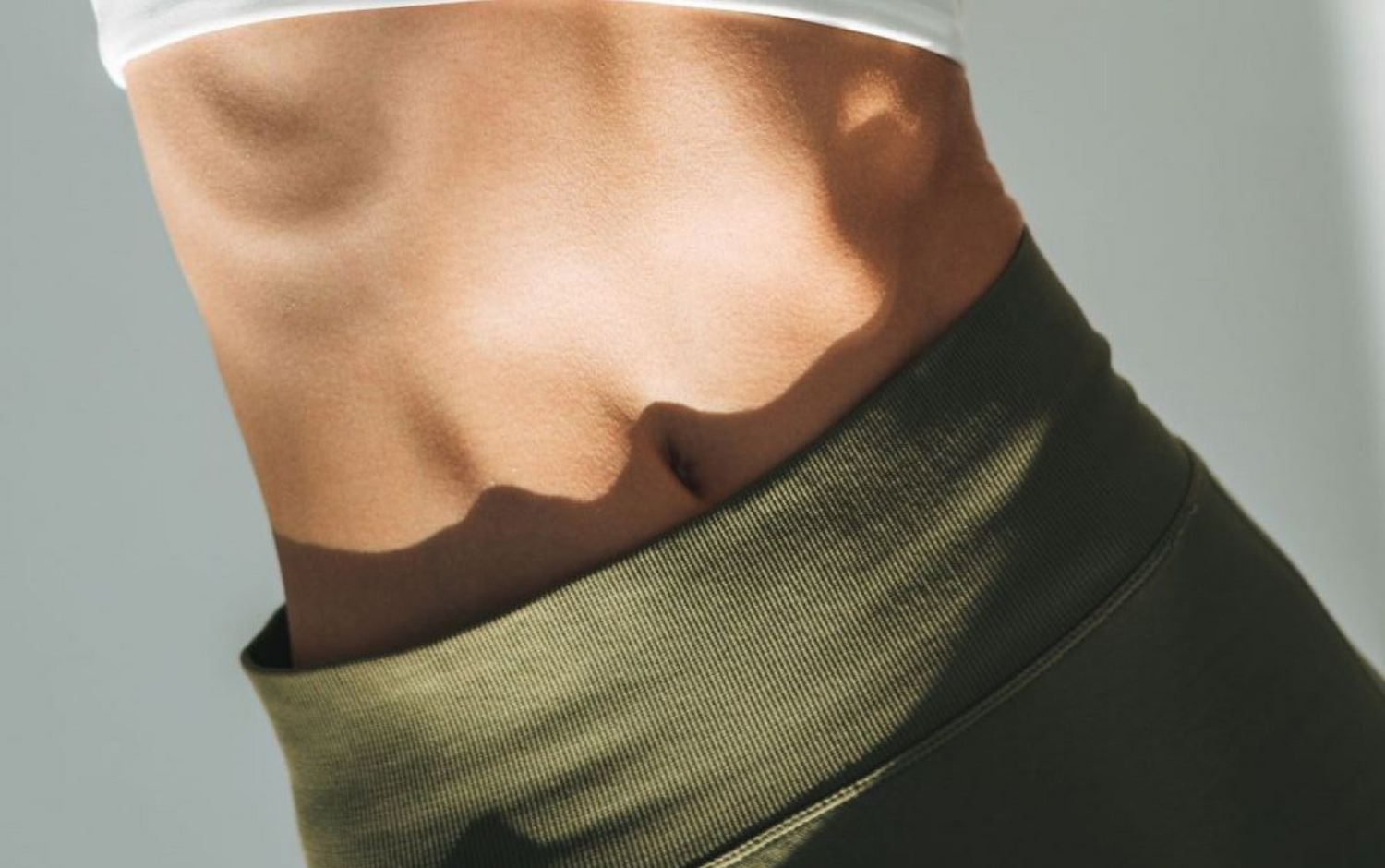
At menopause, a woman gains on average between 2kg and 5kg. This weight gain is explained by several factors we have already looked at together: hormonal changes, a slowing metabolism, and the different distribution of fat.
But this variation also depends on lifestyle, appetite, diet, and physical activity levels.
Finally, there is also a mental aspect: stress and sleep disturbances can accentuate this phenomenon by promoting fat storage.
However, adopting a healthy routine can limit this weight gain and help maintain body balance, which is exactly what we are going to look at together right now!
Why do we gain belly fat during menopause?
The hormonal mechanisms responsible for abdominal fat
Can you get a flat stomach back after 45?
The best sports for toning the abdominal core
3 simple exercises for a flatter stomach at home
The role of sleep and hot flushes
Global approach: a 360° strategy during menopause
FAQ: Flat stomach and menopause

Why do we gain belly fat during menopause?
Abdominal weight gain is one of the most common physical changes during menopause. According to an IFOP study (2023), fat building up around the stomach is the leading body-image concern reported by menopausal women.
Menopause is defined as the final cessation of menstruation (12 consecutive months without a period), generally occurring around the age of 51. This hormonal transition leads to a significant drop in oestrogen and progesterone.
These hormones play a key role in:
- Regulating basal metabolism
- Fat distribution
- Maintaining muscle mass
- Sleep quality
When their levels decrease, the body alters its fat distribution: it is stored more in the abdominal area rather than on the hips or thighs.
The hormonal mechanisms responsible for abdominal fat
1. A slower metabolism
With age and hormonal decline, basal metabolism decreases. This means the body burns fewer calories at rest.
2. Progressive muscle loss
The loss of muscle mass (sarcopenia) reduces daily energy expenditure. Less muscle = fewer calories burned.
2. Disturbed sleep
Hot flushes and night sweats impair sleep quality. Fragmented sleep disrupts hunger hormones (ghrelin and leptin) and increases cortisol, which promotes abdominal fat storage.
Understanding these mechanisms is the first step towards implementing a truly effective menopause flat-stomach exercise routine.
Can you get a flat stomach back after 45?
Yes, but not through promises of "targeted weight loss."
Localised fat loss has not been scientifically proven. Physiology studies show that the body loses fat globally.
The realistic goal is to:
- Maintain and build muscle mass
- Boost basal metabolism
- Improve posture
- Reduce inflammation
- Establish long-term consistency
It’s not about getting back the body you had at 30, but about optimising your current metabolic balance.

The best sports for toning your stomach during menopause
Brisk walking and moderate jogging
Weight-bearing activities stimulate:
- Bone density
- The cardiovascular system
- Fat burning
Two sessions per week significantly improve energy expenditure.
Strength training (essential)
This is the pillar of an effective programme.
Strength training helps to:
- Preserve muscle mass
- Increase basal metabolism
- Tone the abdominal core
- Prevent pain and loss of strength
1 to 2 weekly sessions are enough to see measurable results. Even low-intensity but repeated exercises improve strength in menopausal women.
Pilates and deep core training
Pilates targets:
- The transversus abdominis (the key muscle for a flat stomach)
- The pelvic floor
- Postural alignment
Low-impact, it is ideal after age 45.
Dance and fun cardio
Dance combines:
- Cardio
- Coordination
- Muscle toning
Enjoyment promotes consistency, a determining factor for success.

3 simple exercises for a flatter stomach at home
Here is a mini-programme that requires no equipment.
1. Standing core engagement against a wall
- Back pressed against the wall
- Navel slightly pulled in
- Hold for 20 to 40 seconds
👉 Activates deep abdominals.
2. Controlled abdominal breathing
- Inhale through the nose
- Exhale while pulling the stomach in
- 6 to 10 repetitions
👉 Activates the transverse abdominis.
3. Slow and controlled knee raises
- 10 repetitions per leg
- Back straight
- Slow movement
👉 Tones the abdominal core and improves balance.
Practiced 4 to 5 times a week, these menopause flat-stomach exercises gradually contribute to strengthening abdominal tone.

The often forgotten role: hot flushes and metabolism
Vasomotor symptoms have an indirect influence on:
- Sleep
- Muscle recovery
- Stress management
- Hormonal regulation
Disturbed sleep increases cortisol, a hormone involved in abdominal storage.
Addressing hot flushes can therefore support your fitness efforts.
To learn more about the official recommendations on menopause, check out the resources from INSERM:
👉 https://www.inserm.fr/dossier/menopause/

Global approach: a 360° strategy during menopause
A more toned stomach relies on 4 pillars:
- Regular movement
- Strength training
- Quality sleep
- Symptom management
Menopause is not a bodily failure. It is a physiological transition. The goal is to build a new balance: more stable, stronger, and more mindful.
FAQ: Menopause flat-stomach exercises
1. How long does it take to see results?
Most women begin to feel changes after 6 to 8 weeks of regular practice. The initial benefits are not always immediately visible on the scale, but rather in:
- improved abdominal tone
- better posture
- a feeling of a more engaged core
Consistency is more important than intensity. A few well-integrated weekly sessions often produce more effect than a very intense but irregular programme.
2. Can you lose weight only in your belly?
No. The body does not choose to burn fat in one specific area.
However, strengthening the deep abdominal muscles helps to:
- keep organs in position
- improve posture
- visually refine the silhouette
That is why working on the transverse abdominis and deep core remains particularly beneficial during menopause.
3. Is core training enough for a flatter stomach?
Core training is an excellent exercise because it engages the trunk's stabilising muscles.
However, for lasting results, it must be part of a more comprehensive approach including:
- strength-training exercises
- regular cardiovascular activity
- back and pelvic mobility
This combination helps improve posture and abdominal tone.
4. Do you have to exercise every day?
That is not necessary. The body also needs recovery.
Most specialists recommend rather:
- 3 to 4 sessions per week
- sessions of 30 to 45 minutes
Rest days allow muscles to recover and promote progress.
5. Does diet play a role?
Yes. Physical activity works in synergy with diet.
Certain habits can support fitness efforts:
- prioritising proteins and fibre
- limiting simple sugars
- maintaining good hydration
The goal is not a restrictive diet, but a sustainable dietary balance that supports energy and recovery.
6. Do hot flushes promote weight gain?
Indirectly, yes.
Hot flushes and night sweats can disrupt sleep, which influences:
- hunger hormones
- fatigue levels
- physical recovery
Fragmented sleep can also increase cortisol, a hormone involved in abdominal storage.
This is why managing menopause symptoms is an integral part of a holistic approach to well-being.
Conclusion: a more toned stomach is possible during menopause
Adopting a menopause flat-stomach exercise programme requires consistency, patience, and a holistic approach.
The body changes, but it remains capable of adaptation. By combining strength training, moderate cardio, deep breathing, and symptom management, it is possible to improve your abdominal tone and your overall well-being.
Because living well through menopause means taking a 360° approach: movement, sleep, hormonal balance, and adapted solutions.
For special well-being recipes, click here!

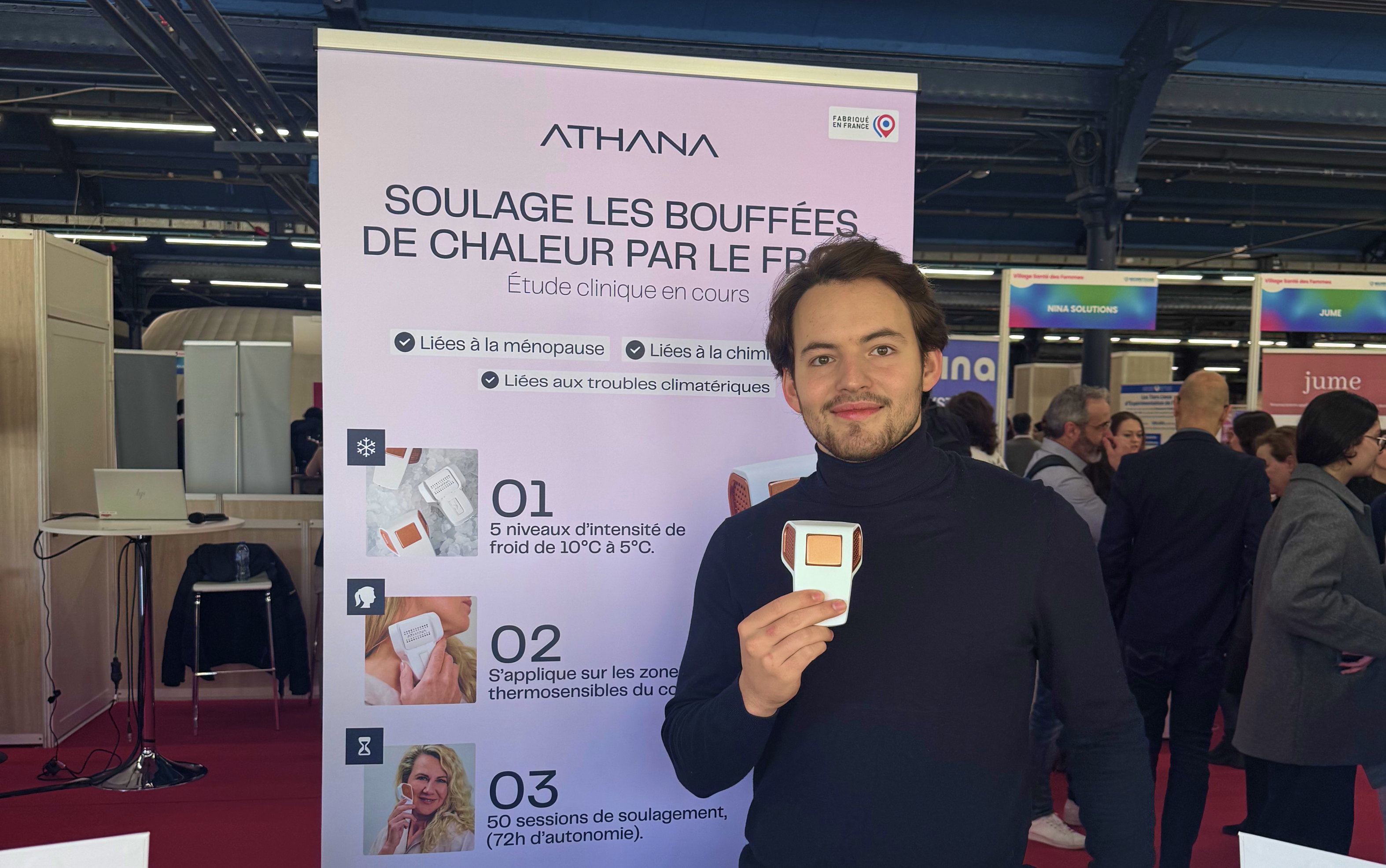
Hot flushes can become one of the most uncomfortable symptoms of menopause. To provide quick and natural relief, Héra, an innovative cryotherapy device, uses cold to help instantly calm these sensations of heat and improve daily comfort.
Join the Athana community!
To learn more, discover inspiring testimonials, or ask your questions:
Follow us on social media:
- Instagram: @athana.off
- TikTok: @athana.off
- Facebook: Athana
- LinkedIn: Athana
Satisfaction guaranteed or your money back for 15 days.
A question? Email us at info@athana.shop

Leave a comment
All comments are moderated before being published.
This site is protected by hCaptcha and the hCaptcha Privacy Policy and Terms of Service apply.