
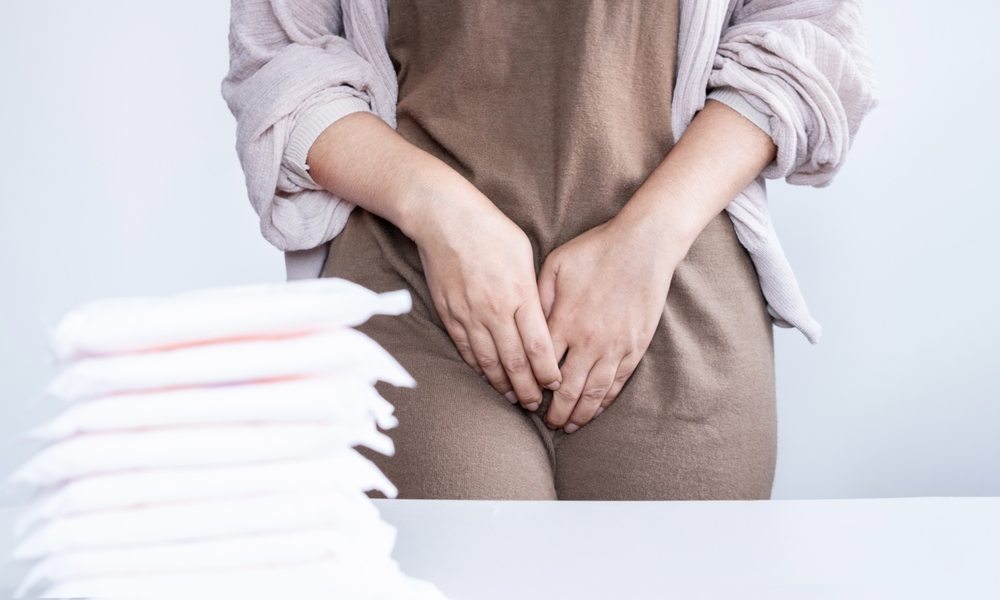
We often talk about hot flashes, disturbed sleep, extreme fatigue, or even mood swings during menopause. But there is another menopause symptom, much more intimate, that remains in the shadows: that sensation of burning in the vulva, sometimes mild, often intense, always uncomfortable. And yet, it is the daily reality for many women.
What does it feel like? A sharp heat, a radiating tingle, lower abdominal pain, a vulvar discomfort that is hard to ignore, especially when it strikes while sitting, urinating, or even just wearing jeans. Some describe a constant intimate fire, others a temporary but recurring irritation. Whatever its form, this pain is very real.
- Why does menopause cause intimate burning?
- What exactly is a vulvar burn?
- Genitourinary syndrome of menopause: a still little-known disorder
- What are the symptoms of genitourinary syndrome of menopause?
- The main causes: what your body is telling you
- Intimate burning: what are the treatment options?
- How to avoid recurrences and regain a true quality of life?
- Conclusion: it is time to stop suffering in silence
Often, these vulvar burns are linked to a cocktail of vaginal dryness, decreased estrogen levels, and hormonal imbalances that weaken the mucosa, but that’s not all… factors that seem harmless, such as scented toilet paper, synthetic underwear, or cleansing gels, can become real triggers.
The hardest part? Many women do not dare to talk about it. Out of modesty, embarrassment, or simply because they were led to believe it was "normal" after 50. As a result, they suffer in silence, thinking they just have to live with it.
Spoiler alert: no, it is not normal. And above all, it is not inevitable.
In this article, we will dissect the real causes of this pain, explain what genitourinary syndrome of menopause is, explore treatment options, natural solutions, and the good habits to adopt daily. Because we all deserve to live this transition with more comfort, more gentleness… and much less burning!
Why does menopause cause intimate burning?

The body never lies, and when it starts to change, it lets you know in a thousand ways. Among them are long-term unbearable insomnia, or that uncomfortable sensation of vulvar burning that can appear at menopause, sometimes suddenly, sometimes insidiously. But why exactly does it burn?
It all starts with an upheaval: the drop in estrogen.
These hormones, essential for maintaining the hydration and elasticity of the mucosa, see their levels collapse with age. The result? The vaginal mucosa thins, loses its suppleness, becomes more fragile; in short, it no longer plays its role as a protective barrier. This is what we call vulvovaginal atrophy: a common but still too silent phenomenon. The resulting intimate dryness makes every movement more irritating: wiping, walking, wearing tight clothing… everything becomes a source of micro-aggressions.
And after a while, the body screams stop, in the form of vulvar burning, itching, or persistent vulvar irritation. But that is not all; these hormonal fluctuations exacerbate weight gain, disrupt the intimate flora, and create an environment conducive to local inflammation. The slightest imbalance can then lead to vulvar pain, even in the absence of infection.
In short, what many take for "a passing nuisance" is actually the reflection of a profound hormonal and tissue imbalance.
What exactly is a vulvar burn?
When we talk about vulvar burning, we are not referring to a skin lesion as one might imagine. It is an internal sensation of heat in the intimate area, often described as an unpleasant, even painful, sometimes even burning sensation. It can extend to the vulva, the vestibule, sometimes the clitoris, and in some cases, to the entrance of the vagina.
This type of vulvar pain can arise diffusely or be localized to a specific point: it can appear at rest, after sexual intercourse, during urination, or simply due to contact with fabric, a sanitary pad, or even toilet paper that is a bit too abrasive.
For some women, this burning sensation is constant; for others, it appears in flares. But in all cases, it profoundly alters the quality of life: even sitting becomes bothersome… walking becomes uncomfortable, and intimacy is lived with tension.
Often, this pain is accompanied by other signs: redness, itching, tingling, or even hypersensitivity to touch—and it is not in your head. These are very real physical manifestations, often linked to vaginal dryness, local inflammation, or an alteration of the vulvar mucosa.
Note carefully: these symptoms can also be confused with those of a yeast infection, a urinary tract infection, or dermatitis. Hence the importance of medical advice, especially if the burning becomes recurring.
The link between vaginal dryness and discomfort
What we often call vaginal dryness is actually a progressive loss of moisture in the intimate mucosa. With the drop in estrogen, the vaginal wall becomes thinner, less supple, and above all, less capable of producing the natural lubrication so essential for daily comfort. And when this intimate dryness sets in, the consequences are not long in coming: tissues become vulnerable, more sensitive to friction and aggression, even slight ones.
Putting on tight underwear, wiping after using the toilet, or walking a bit too long can be enough to trigger a sensation of intimate discomfort. A nuisance that, through repetition, turns into vulvar burning or even persistent itching. This lack of hydration can also create micro-lesions invisible to the naked eye, but which trigger real pain signals: this is referred to as dryness symptoms, which should never be minimized, as they can quickly harm quality of life, sexuality, and self-esteem.
Fortunately, there are now solutions to rehydrate the vulva and avoid these chain reactions. But one must first know how to make the link between this vulvar dryness and the burning sensation that gradually takes hold.
Genitourinary syndrome of menopause: a still little-known disorder

Behind this somewhat complex name lies a very concrete reality for many menopausal women. Genitourinary syndrome of menopause, also called GSM, refers to a set of anatomical and functional changes that occur in the intimate area due to the drop in estrogen.
This syndrome affects both the vulvovaginal tissues and the lower urinary tract; it results mainly from the lack of sex hormones, which play a key role in maintaining the elasticity, hydration, pH, and natural protection of this region.
With menopause, these tissues become thinner, drier, less well-vascularized… the vaginal mucosa loses its suppleness, the vulva becomes more fragile, and the bladder can also become deregulated. All of this creates an environment conducive to multiple discomforts that directly affect intimate quality of life.
What makes this syndrome particular is that it is progressive: if not addressed, it does not disappear on its own, and on the contrary, it tends to worsen over time. Yet, it is still very rarely diagnosed, notably because its manifestations are often wrongly attributed to infections or passing causes.
Understanding what GSM is means laying the foundation for better management. And above all, it means acknowledging that the hormonal changes of menopause do not stop at hot flashes… they can also reshape intimacy.
What are the symptoms of genitourinary syndrome of menopause?
Genitourinary syndrome of menopause can manifest in different ways, sometimes discreetly, sometimes with intensity. But one thing is certain: it should never be trivialized. Here are the most frequent symptoms, along with what they translate to in daily life:
- Constant vaginal dryness: the intimate mucosa, less well-hydrated, loses suppleness. This results in a sensation of tightness, discomfort, or even vaginal dehydration, even in the absence of sexual intercourse. A lack of moisture that disrupts daily comfort.
- Vulvar burning: this sensation of sharp heat, sometimes difficult to describe, intensifies after washing, exertion, or contact with tight underwear. It often reflects vulvar inflammation linked to tissue atrophy.
- Pain during intercourse (sexual dyspareunia): the lack of lubrication and the thinning of the vaginal walls make sexual intercourse painful. This is referred to as dyspareunia, an intimate pain that can cause apprehension or a progressive avoidance of sexuality.
- Frequent urge to urinate: the syndrome also affects the urinary system: one may experience urinary symptoms such as urinary urgency or more frequent urination, even without infection.
- Almost permanent intimate discomfort: this discomfort can resemble an irritation or itching that persists throughout the day. It is often described as a diffuse intimate discomfort, difficult to localize precisely, but always present.
Recognizing these signs is the first step toward getting out of the fog, because no, all of this is not "in your head." These are very real physical manifestations, linked to the profound hormonal changes the body is going through.
Why does it occur after 50?
Around the age of fifty, the body enters a marked phase of hormonal transition: this is menopause, and with it, the progressive drop in estrogen levels. These hormones, until now responsible for the suppleness, lubrication, and protection of the genital mucosa, become increasingly rare.
This hormonal imbalance therefore causes vulvovaginal atrophy: the tissues become thinner, less elastic, and their ability to regenerate decreases. The vagina loses part of its natural moisture; the vulva becomes drier and more fragile.
This weakening is not superficial: it deeply affects the tissue structure of the intimate area.
It is therefore this progressive transformation that explains why so many women begin to feel vulvar burning, irritation, or pain during intercourse at this point in their lives.
The main causes: what your body is telling you
Vulvar burning during menopause does not fall from the sky; it represents the body's language, a warning signal that is important to listen to. Behind this sensation of internal fire often hide several combined factors, linked to hormonal changes but also to elements of daily life that we do not always suspect.
In the following sections, we will delve a little deeper into the frequent causes of this intimate discomfort during menopause, not to point fingers, but to better understand. Because when you know where the problem comes from, you can finally start solving it.
Drop in estrogen levels and vulvovaginal atrophy
When estrogen levels drop during menopause, an entire ecosystem falters. The skin becomes thinner, the mucous membranes lose their suppleness, and the vulvar tissues weaken. This silent transformation, called vulvovaginal atrophy, is one of the main causes of intimate discomfort.
This phenomenon leads to tissue thinning and a reduction in local vascularization. The result: areas that are normally protected become more vulnerable to friction, the slightest irritant, or even just tight underwear.
Symptoms of dryness appear first, then vulvar burning, pain during intercourse, and permanent discomfort set in. The mucous membrane no longer heals as well, and invisible micro-lesions foster sensations of chronic burning; it is fertile ground for pain that becomes long-lasting if nothing is done.
Hormonal fluctuations and local inflammation
The hormonal fluctuations typical of menopause do more than just influence mood or body temperature. They also have a direct impact on the balance of the vaginal flora, this natural barrier that protects against infections and regulates the intimate environment.
When this balance is disrupted, the pH of the vulvovaginal area changes, favoring the proliferation of pathogenic microorganisms, which can lead to vulvar inflammation, sometimes discreet, sometimes acute. This is referred to as burning, itching, or persistent redness, without an infection necessarily being detected.
This inflammatory environment can also make the area more sensitive to everyday irritants: cleansing gels, soaps, or even just hard water become triggers. Added to this is a reduction in local immune defenses, which increases the risk of recurrent infections or diffuse pain.
Better understanding this interaction between hormonal imbalances and inflammatory reactions makes it possible to target solutions that are gentler, more effective… and finally adapted to what the female body is actually experiencing at this stage of life.
Everyday irritants to avoid
During menopause, the body becomes more sensitive, and the intimate area, already weakened by vaginal dryness or atrophy of the mucous membranes, can react to things that previously went unnoticed. Something that seemed innocuous like a shower gel, a scented pad, or synthetic fabric can become a trigger for vulvar burning.
Take scented toilet paper: its perfume, often derived from chemical substances, can irritate the already weakened mucous membrane. The same goes for intimate wipes, often too rich in preservatives and aggressive cleansing agents; their repeated use can disrupt the pH and weaken the protective flora, paving the way for vulvar inflammation or chronic itching.
Regarding hygiene products, beware of cleansing gels that are too acidic or too foaming. Contrary to popular belief, cleaning too much can do more harm than good. The ideal? A gentle, soap-free, neutral or slightly acidic cleanser, specifically formulated to respect the intimate balance.
Clothing also plays a role; indeed, synthetic underwear, tight jeans, or non-breathable fabrics create a warm and humid environment that promotes friction… and therefore irritation. Opting for natural materials, like organic cotton, means giving your vulva a little more air and much less aggression.
Intimate burning: what are the treatment options?
 When vulvar burning becomes recurrent, hoping it will go away is no longer enough; you have to act, but above all, choose the right way to do it (and that is where many women find themselves lost). Between local solutions, natural approaches, hormonal treatments, or simple daily adjustments… it is difficult to know where to start.
The good news? There is no single solution, but rather several treatment options, which can be combined or adjusted according to individual needs. The key is to identify what is causing the intimate discomfort: dryness, inflammation, hormonal imbalance… or all of the above.
In the following sections, we will review these solutions one by one. The idea is not to prescribe, but to explain clearly what exists, so that you can then make the right choice, in accordance with your body, your lifestyle, and how you feel.
Vulvar hydration: lubricants and moisturizing agents
When vaginal dryness becomes a source of discomfort, tingling, or even vulvar burning, the first response to consider is often the simplest: rehydrate, and for this, there is now a wide range of lubricants and moisturizing agents specifically designed for the intimate area.
Contrary to popular belief, these products are not reserved for sexual intercourse. Used daily, they help restore the suppleness of the mucous membrane, strengthen the skin barrier, and above all, prevent irritation caused by friction or simple contact with clothing. For maximum effectiveness, it is essential to choose formulas without perfume, alcohol, or harsh preservatives. It is better to prioritize vaginal moisturizers based on water or a gentle gel, capable of maintaining moisture without disrupting the intimate balance. Applied regularly, they can transform daily comfort with no side effects.
This simple little gesture may be enough to reduce symptoms of dryness and restore a long-lasting sensation of soothing to the intimate area, while avoiding the systematic use of heavier treatments.
Hormonal therapies: solutions with caution
Among the treatment options offered to combat the effects of menopause on the intimate sphere, local hormonal therapies occupy a special place. We are mainly talking about treatments based on estrogen, applied in the form of creams, suppositories, or vaginal rings.
Their goal? Deeply rehydrate the mucous membrane, boost collagen production, and thus improve elasticity and natural lubrication. On paper, these solutions can provide rapid and effective relief from symptoms of dryness, vaginal atrophy, and sexual pain. But be careful: this type of treatment is not harmless; even if they are administered locally, hormonal treatments can have side effects and are sometimes contraindicated for women with a history of hormone-dependent cancers, phlebitis, or cardiovascular accidents. One study even indicates that these treatments could increase the risk of cancer by nearly 40%…
It is therefore imperative to consult a healthcare professional, have a complete medical check-up, and weigh the benefits/risks ratio before making any decision.
Natural solutions and lifestyle changes

Just like the Héra device by Athana, which instantly soothes menopause symptoms like hot flashes or night sweats, more and more women are looking for alternatives to hormonal treatments for intimate discomfort, and good news: there is no shortage of natural solutions. Some are even particularly effective for relieving vulvar burning, soothing the intimate area, and improving daily life without side effects.
Natural solutions for soothing vulvar burning are not limited to a single remedy: it is often the combination of several small gestures that makes all the difference. Regarding plants, some such as maca, rhodiola, or ashwagandha are known for their action on hormonal imbalances. They are called adaptogenic plants because they help the body better adapt to stress, a factor that often aggravates intimate hypersensitivity.
The choice of underwear can also make all the difference; it is better to prioritize organic cotton panties, which are light, soft, and breathable. They limit friction and allow the skin to "breathe" better, thus reducing the risk of irritation. Regarding hygiene, the watchword is simplicity. Avoid scented products, overly acidic gels, wipes, and anything that could unbalance the local flora. A gentle cleansing care, with physiological pH, is more than enough for daily use.
Finally, diet plays an underestimated role. Essential fatty acids like omega-3s (found in flax seeds, fatty fish, or rapeseed oil) and vitamin E are precious allies for the health of mucous membranes. Nourishing your body well is also a way to help the skin regain its natural suppleness and hydration.
By adopting these simple and targeted reflexes, you can truly soothe the symptoms of vulvar burning and regain, day after day, a more serene relationship with your body.
How to avoid recurrences and regain a real quality of life?
 Relieving a vulvar burn is already a big step, but what many women are looking for, deep down, is for it not to come back. Because once the fire is out, the anxiety remains that it will reignite at the slightest imbalance, the slightest oversight, or the slightest stress.
However, it is quite possible to prevent recurrences and establish lasting comfort without living in fear of the return of symptoms. It simply requires a little regularity, better listening to your body, and a few lifestyle adjustments.
Nothing revolutionary, but simple gestures that, put together, can transform your daily life.
What we are going to cover now are these daily levers: concrete, accessible actions that help preserve the balance of the intimate area, reduce inflammation, and maintain good quality of life over the long term, even after 50, even during periods of hormonal fluctuations.
Essential medical advice and regular follow-up
We often tend to minimize vulvar burning, especially when it occurs in the context of menopause. But when they become recurrent and alter sleep, sexuality, or simply daily comfort, it is essential to consult; it is not a luxury, it is a medical necessity.
Regular follow-up with a healthcare professional allows you to take stock, adjust treatment if necessary, and above all, take an objective look at the evolution of symptoms. Sometimes, a simple gynecological check-up is enough to identify vaginal atrophy, a chronic infection, or a reaction to a poorly tolerated product.
In the event of treatment, whether local, hormonal, or natural, this follow-up is also the key to avoiding side effects, measuring actual effectiveness, and preventing it from becoming chronic. Personalized medical advice allows you to align solutions with your lifestyle, your health history, and how you feel.
Learning to listen to your body without trivializing discomfort
How many times have we heard: "It's normal, it's menopause"... yet, just because a symptom is frequent does not mean it should become acceptable. Living with constant discomfort, intimate irritation, or a burning sensation is not insignificant. It impacts morale, confidence, and of course, quality of life.
Listening to your body means recognizing these signals. It means not waiting for the pain to become unbearable to act. It also means refusing to trivialize discomfort under the pretext that you are entering "a new phase of life."
Menopause deserves to be lived with respect, gentleness, and support: if your body sends a message, do not ignore it. It is not about being alarmed by every discomfort, but rather recognizing what is not normal, taking care of yourself without guilt, and acting at the first signs.
Because a symptom taken seriously is already a step towards lasting well-being.
Conclusion: it is time to stop suffering in silence
 For a menopausal woman, her body changes, that is a reality. But what many are unaware of is how much these transformations can affect the intimate area: dryness, inflammation, vulvar burning… are not annoying details to be "endured" in silence. They are real symptoms that deserve recognition, listening, and treatment.
This intimate discomfort, too often trivialized or hidden, can become an obstacle to daily life, intimacy, well-being, or health. Yet, there are concrete solutions today: adapted treatments, natural gestures, innovative tools like the Héra cryotherapy device, and above all a more global, gentler approach that is more respectful of what every woman goes through.
Regaining your quality of life does not necessarily involve heavy medication. It can start with better knowledge of your body, an open dialogue with a healthcare professional, or simply the desire to no longer ignore what you feel.
This is not a question of secondary comfort: it is a question of balance, and freedom. Menopause is not a punishment, and intimacy must never become a zone of pain; so yes, it is time to talk about it, to seek support… and above all, to stop suffering in silence.
FAQ
How to avoid cystitis during menopause? Menopause makes the urinary mucous membrane more vulnerable, which increases the risk of urinary tract infections like cystitis. To prevent them, it is essential to drink enough water throughout the day, urinate after each sexual encounter, and avoid hygiene products that are too aggressive or scented. It is also important to support your vaginal flora with specific probiotics or rebalancing care if needed.
How long does vulvar irritation last? It all depends on its origin. A transient irritation linked to friction, a poorly tolerated hygiene product, or aggressive toilet paper can disappear in a few hours to three days, as soon as the cause is removed and a gentle treatment is applied. On the other hand, if the discomfort persists beyond 72 hours, worsens, or is accompanied by burning, redness, itching, or unusual discharge, it may reveal an imbalance of the vaginal flora, inflammation, or an infection. In this case, it is better to quickly consult a healthcare professional to make a precise diagnosis and avoid chronic progression.
Can toilet paper irritate the vulva? Absolutely. Scented, bleached, or overly rough toilet paper can cause micro-irritations, especially on a mucous membrane already weakened by menopause or vulvar dryness. It is better to opt for untreated, soft, and unscented paper, and wipe gently, without rubbing, or even prefer rinsing with lukewarm water followed by delicate drying.
How do I moisturize an irritated vulva? Vulvar rehydration requires the use of appropriate products: choose an intimate moisturizer (gel, cream, or balm) that is fragrance-free, soap-free, and free from harsh preservatives. The ideal choice is a formula rich in lipids or hyaluronic acid, which will strengthen the skin barrier. Avoid prolonged hot baths, opt for lukewarm showers instead, and always dry the area by gently patting it, never rubbing.
What is a clitoral yeast infection? It is a localized form of vulvar candidiasis that primarily affects the clitoris and its surrounding area. It causes intense itching, a burning sensation, and sometimes swelling or redness in the area. Treatment consists of a topical antifungal (cream or suppository), sometimes combined with a gentle product to rebalance the intimate flora. If symptoms persist or return, it is essential to consult a doctor.

Leave a comment
All comments are moderated before being published.
This site is protected by hCaptcha and the hCaptcha Privacy Policy and Terms of Service apply.