
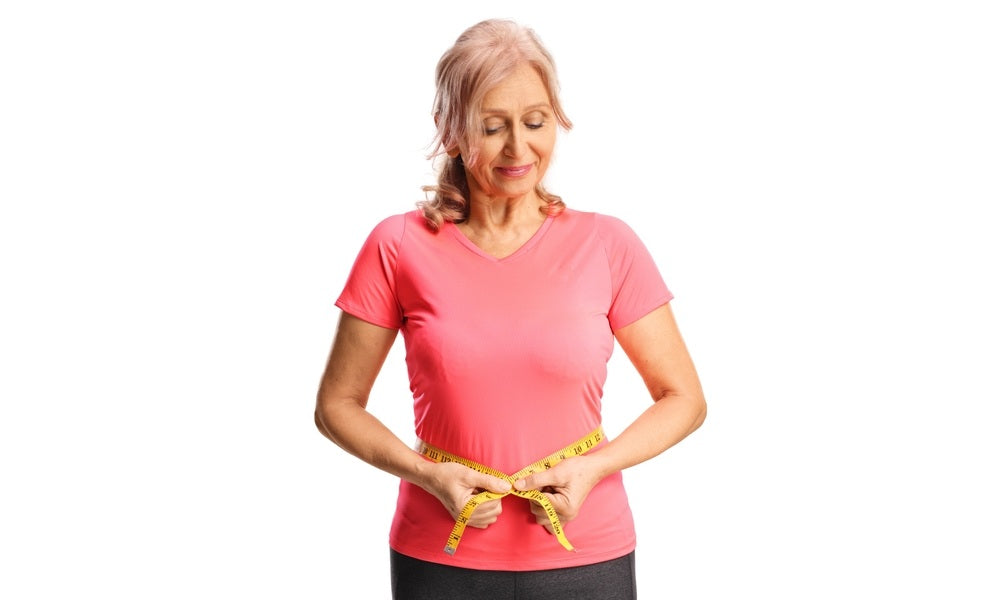
Many women in perimenopause or menopause notice a swollen belly, sometimes accompanied by abdominal weight gain, hot flashes, joint pain, fatigue, or sleep and mood disturbances.
Why does this change happen, and above all, how can it be managed?
In this article, we explain the major causes of this phenomenon and
effective solutions to regain a flatter stomach and better digestive comfort.
Summary:
The causes of a swollen belly during menopause
Hormonal changes and visceral fat
The role of age in weight gain
Gut microbiota and digestive issues
Solutions to reduce belly weight gain during menopause
A healthy and easier-to-digest diet
Physical activity: moving more and strengthening muscles
Reducing stress and improving sleep
The causes of a swollen belly during menopause
Hormonal variations promote an increase in visceral fat
There are two types of body fat:
- Subcutaneous fat, visible and palpable under the skin.
- Visceral fat, deeper, located around the organs and responsible for the rounding of the belly.
Before menopause, estrogen and progesterone slow down an enzyme involved in the formation of visceral fat. After menopause, this brake disappears, which promotes the accumulation of this abdominal fat.
Result: the female figure changes from a gynoid shape (hips/thighs) to an android shape (belly).
This visceral fat is also more metabolically active and increases cardiovascular risks.

Age causes a slowing of the metabolism
Contrary to some misconceptions, menopause itself does not necessarily cause weight gain.
Weight gain linked to age is mainly due to:
- a gradual loss of muscle mass,
- a slowing of the metabolism,
-
lower resting energy expenditure.
Without adapting your diet or physical activity, weight gain becomes almost inevitable.

Digestive imbalances and a modified microbiota
The drop in female hormones leads to significant changes in the gut microbiota.
With menopause:
- bacterial diversity decreases,
- the Firmicutes/Bacteroidetes ratio increases,
- digestion often becomes slower and more difficult.
The consequences:
- bloating,
- heavy digestion,
- constipation,
- new sensitivity to certain foods (raw vegetables, gluten, legumes, etc.).
These digestive issues bloat the belly and reduce intestinal comfort.

What solutions are there to reduce a swollen belly during menopause?
Adopt a balanced, anti-bloating diet
The Mediterranean diet is ideal: rich in fiber, healthy fats, vegetables, and fruits.
- prioritize: vegetables, soaked legumes, semi-whole grains, fish, olive oil, yogurts, spices.
- limit: ultra-processed foods, excess salt, industrial desserts, cold cuts.
Practical tip:
Fill half of your plate with cooked vegetables (easier to digest than raw ones).
About alcohol:
Try to stay under the limit of 2 glasses per day, 5 days a week.

Move regularly and strengthen your muscles
To reduce abdominal fat, three essential rules:
Move every hour
If you work sitting down, get up to walk, stretch, or take a few steps.
Reach 7,000 steps per day
Which is about 30 minutes of daily walking.
Do strength training to increase your metabolism
Goal: 3 sessions per week, including 1 muscle-strengthening session.
Recommended exercise:
- Planking: 1 min 30 morning and evening.
Exercise to limit:
- crunches, often responsible for back pain and not well-suited without supervision.

Drink enough water
Drinking 1.5 liters of water per day helps to:
- improve transit,
- reduce constipation,
- prevent water retention,
- diminish bloating.

Reduce stress and improve sleep
Stress stimulates the production of cortisol, a hormone that promotes:
- weight gain,
- digestive issues,
- fatigue.
To reduce stress:
- walk outdoors,
- practice yoga, Pilates, meditation, or cardiac coherence,
- engage in regular physical activity.
To sleep better:
- keep the bedroom at 18°C,
- no screens 1 hour before bedtime,
- avoid coffee/tea after 3 PM,
- limit alcohol in the evening,
- use a sleep mask.

Consume probiotics
Probiotics can:
- improve digestion,
- reduce bloating,
- boost immunity,
- optimize calcium and vitamin D absorption.
They can be found in:
- yogurts,
- kefir,
- kombucha,
- kimchi,
- or as supplements from a pharmacy.

Regain a lighter belly… and a more serene life.
Hot flashes and digestive issues are two common symptoms of menopause, and yet, there are natural, effective, and non-invasive solutions.
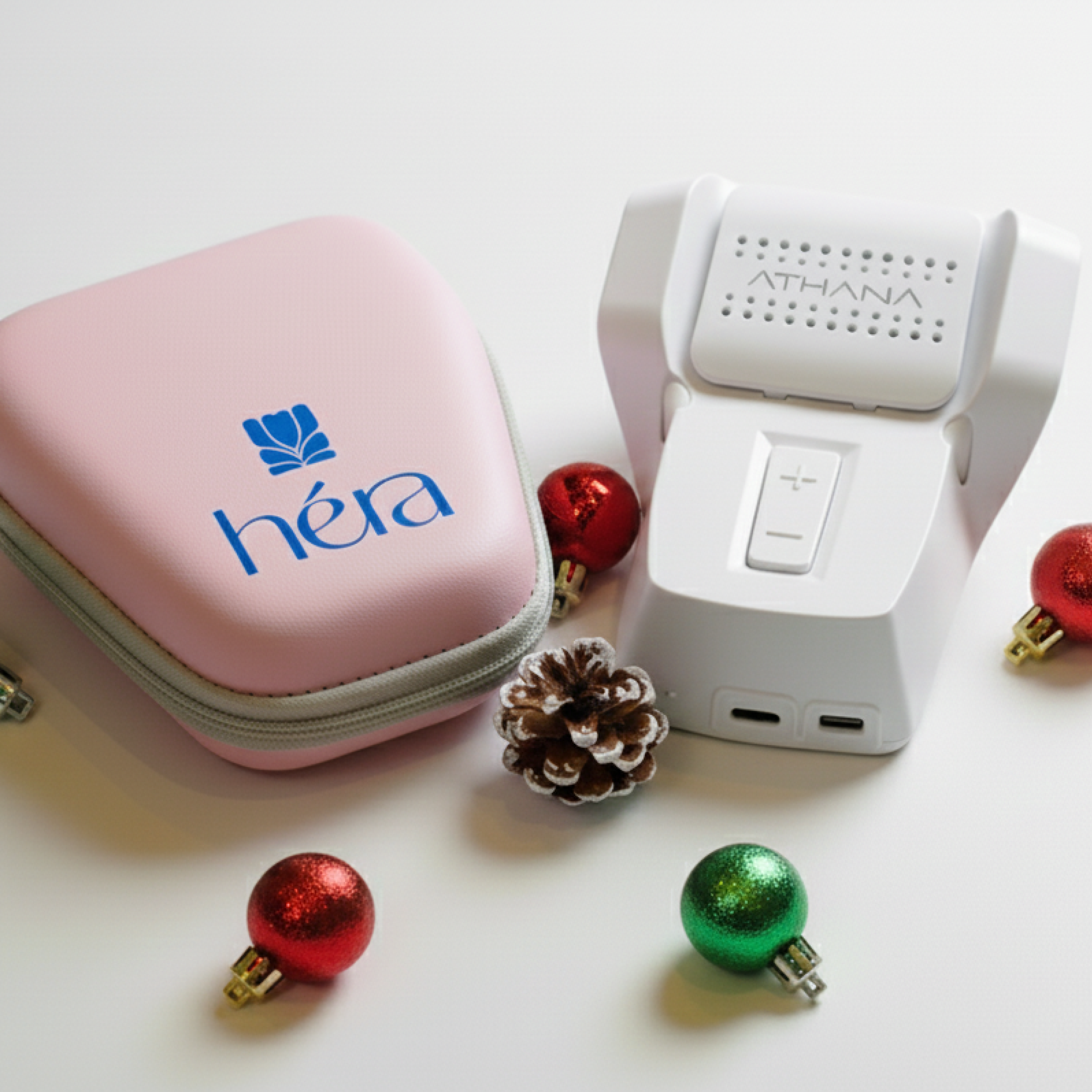
Héra helps you regain immediate comfort by relieving your hot flashes in less than 10 seconds, thanks to targeted cryotherapy technology.
Combine daily habits + Héra for a long-lasting cooling sensation and rediscovered well-being.
- 100% natural
- Up to 50 sessions per charge
- Natural, portable, and stylish
- Connected app to personalize your relief
Join the Athana community!
To learn more, discover inspiring testimonials, or ask your questions:
Follow us on social media:
- Instagram: @athana.off
- TikTok: @athana.off
- Facebook: Athana
- LinkedIn: Athana
Satisfied or refunded for 30 days.
A question? Write to us at info@athana.shop

Leave a comment
All comments are moderated before being published.
This site is protected by hCaptcha and the hCaptcha Privacy Policy and Terms of Service apply.