
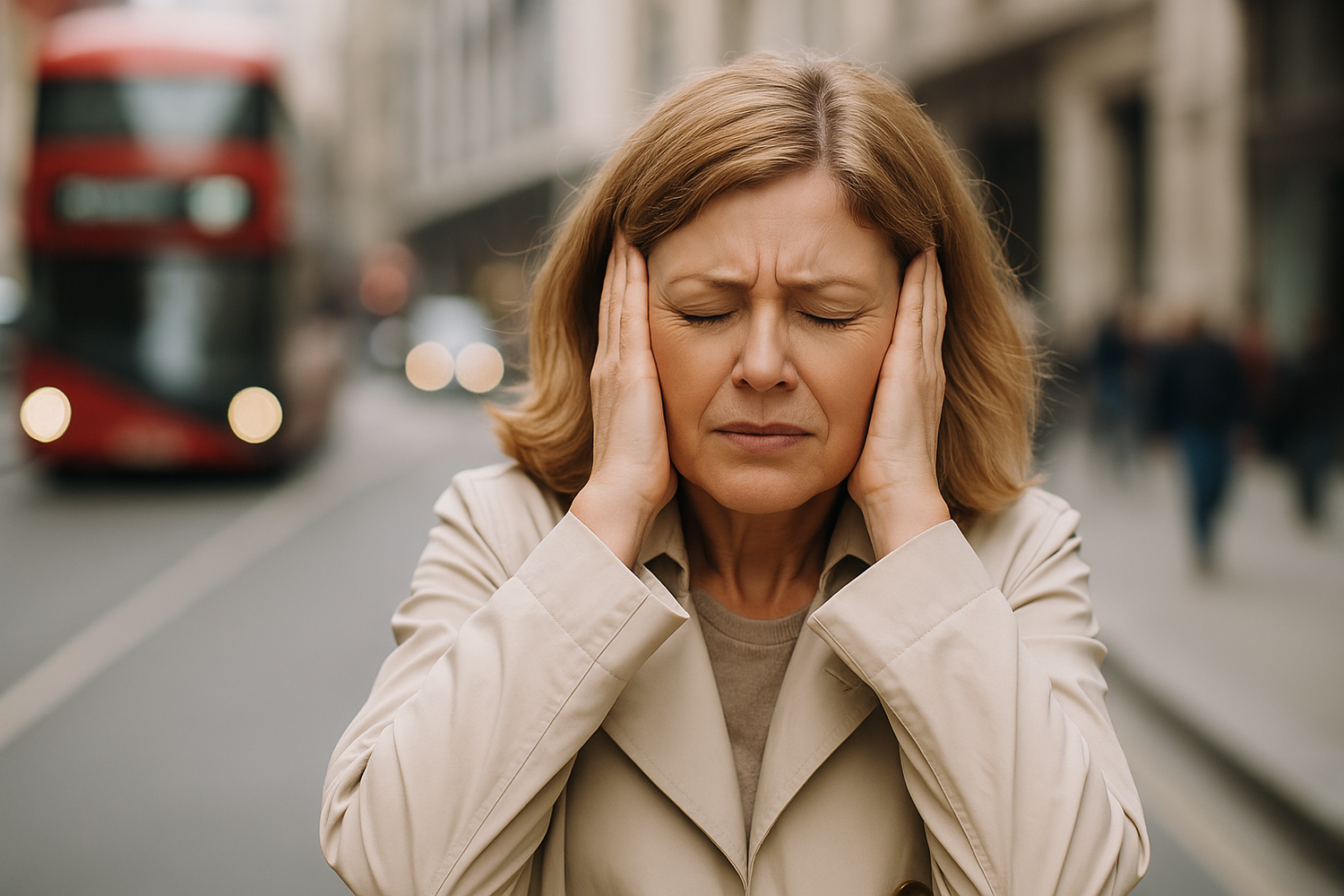
During menopause, many women experience unexpected sensory changes: noises become aggressive, lights tiring, smells unbearable… These sensations, though often minimized, reflect a profound upheaval of the nervous and hormonal system. This article invites you to understand this phenomenon, identify its causes, and discover natural solutions to regain comfort and balance.
Summary
- When the senses go into overdrive: a body signal not to be ignored
- Why do your perceptions become more intense during menopause?
- Testimonials: they share their daily hypersensitivity
- Which senses are most affected and how?
- Factors that aggravate sensory hypersensitivity
- 6 natural solutions to soothe your senses and regain comfort
- When should you consult a healthcare professional?
- FAQ – Your frequently asked questions about sensory hypersensitivity
- Towards more attentive self-listening: transforming this sensitivity into a strength
When the senses go into overdrive: a body signal not to be ignored
Sensory hypersensitivity is much more than a simple nuisance. It is a significant physical manifestation that signals a profound imbalance. This phenomenon can manifest as an unusual intolerance to noises (which become aggressive), light (perceived as dazzling), smells (experienced as nauseating), touch (certain materials become uncomfortable), and even tastes. To understand other disorders that accompany this period, discover our guide to brain fog related to menopause.
These sensations can appear suddenly or develop insidiously over the months. Many women report no longer tolerating environments they previously enjoyed: concerts, restaurants, supermarkets, public transport… Every sensory stimulus seems to amplify the discomfort, generating stress, fatigue, or irritability.
It is essential to recognize that these are neither whims nor signs of psychological fragility. The body expresses itself in its own languages, and the senses are an integral part of this. Ignoring them means missing a precious message.
Why do your perceptions become more intense during menopause?
Menopause is an intense hormonal transition. Furthermore, menopause often accentuates pre-existing conditions. To learn more about the emotional states related to this phase, read our dedicated article: Depression during menopause: avoiding the blues.
The role of estrogen in this equation is fundamental. These hormones are not only linked to fertility: they also influence the brain, neurotransmitters, and even sensory receptors. Their drop disrupts the entire neurochemical balance. The result: sensory signals are filtered less effectively and become more invasive.
Neurotransmitters like serotonin or dopamine normally act as "moderators" in sensory perception. When their balance is upset, the amygdala—a brain structure that processes emotions and threats—can go into overdrive. A bright light, a sudden noise, or an unusual smell can then be perceived as an attack.
Furthermore, menopause often accentuates pre-existing disorders: latent anxiety, chronic fatigue, stress… This fragile terrain makes the brain more vulnerable to overload. Sensory overload then becomes the visible (and audible, olfactory, tactile...) symptom of a global imbalance.
Testimonials: they share their daily hypersensitivity

- "I can no longer stand the noise in restaurants; it exhausts me."
- "White LEDs immediately give me a headache."
- "Even the smell of my morning coffee makes my stomach turn."
These testimonials are all reminders that menopause is not just a biological process: it is a true transformation of one's relationship with the world. Hearing these experiences helps to break out of isolation and understand that this hypersensitivity is neither rare nor irreversible.
Many women find themselves having to adapt their daily lives, sometimes even without understanding why. Choice of clothing, dimmed lights, escaping noisy environments… All these small actions are instinctive attempts at protection, which it is good to recognize and support.
Which senses are most affected and how?

- Hearing: This is often one of the first senses affected. Noises can become unbearable, especially those that are sudden, high-pitched, or repetitive. This auditory hypersensitivity is explained by an overactivation of the amygdala, associated with a decrease in the brain's ability to filter out background noise.
- Sight: Bright lights, particularly those from LEDs, are perceived as aggressive. During menopause, frequent dry eyes make the eyes more sensitive, worsening discomfort in the face of intense light stimulation.
- Smell: Olfactory hypersensitivity can occur, turning certain odors into actual attacks. Perfumes, household products, or even certain food smells can then become difficult to endure, a phenomenon known as hyperosmia.
- Touch: Certain materials are poorly tolerated, especially synthetic fabrics or clothing with prominent seams. This reaction is often linked to an alteration in skin sensitivity, itself amplified by the decrease in collagen and skin dryness during this period.
- Taste: Taste can sometimes change noticeably. Foods previously enjoyed may seem too strong, bitter, or conversely, completely bland. These sensations are often due to dry mouth, combined with an imbalance in the oral microbiota.
Factors that aggravate sensory hypersensitivity
Certain conditions can intensify sensory hypersensitivity during menopause. Here are the main ones:
- Anxiety or high mental load: A constantly taxed nervous system no longer has the capacity to sort sensory information. The slightest stimulation then becomes a source of overload.
- Sleep disorders: Lack of sleep weakens emotional and sensory regulation. A tired brain reacts more intensely to everything. Fatigue, when it becomes chronic, accentuates sensory and emotional disorders. We detail the mechanisms and solutions in Menopause and fatigue: causes and solutions.
- Oxidative stress: During menopause, cellular stress increases. This causes low-grade inflammation that can disrupt the functioning of the nervous system.
- Nutritional deficiencies: A deficit in magnesium, omega-3s, B-group vitamins, or vitamin E can alter nerve transmission and aggravate sensory disorders.
- Lack of sensory recovery: Too many screens, not enough silence, nature, or rest. The brain no longer has time to "decompress," which maintains a state of constant tension.
6 natural solutions to soothe your senses and regain comfort

Soothing the senses does not only involve medical treatments. Many natural solutions exist to relieve sensory hypersensitivity in a gentle and progressive manner.
- Breathing and cardiac coherence: Practice 5 minutes, 3 times a day. This method helps slow the heart rate, soothe the nervous system, and reduce sensory overload.
- Relaxing essential oils: Lavender, noble chamomile, or sweet marjoram are known for their soothing effect. Diffused or applied locally (with caution), they calm sensory receptors.
- Create a gentle sensory environment: Opt for warm, dimmed lights. Add natural sounds like waves or birdsong. Avoid screens and digital sounds in the evening.
- Natural textiles: Choose organic cotton clothing, without tags or irritating seams. Tactile comfort greatly influences general well-being.
- Soothing nutrition: Integrate more omega-3s (flaxseed oil, fatty fish), magnesium (cocoa, almonds, green vegetables), and vitamin E (avocado, wheat germ oil). These nutrients support the nervous system.
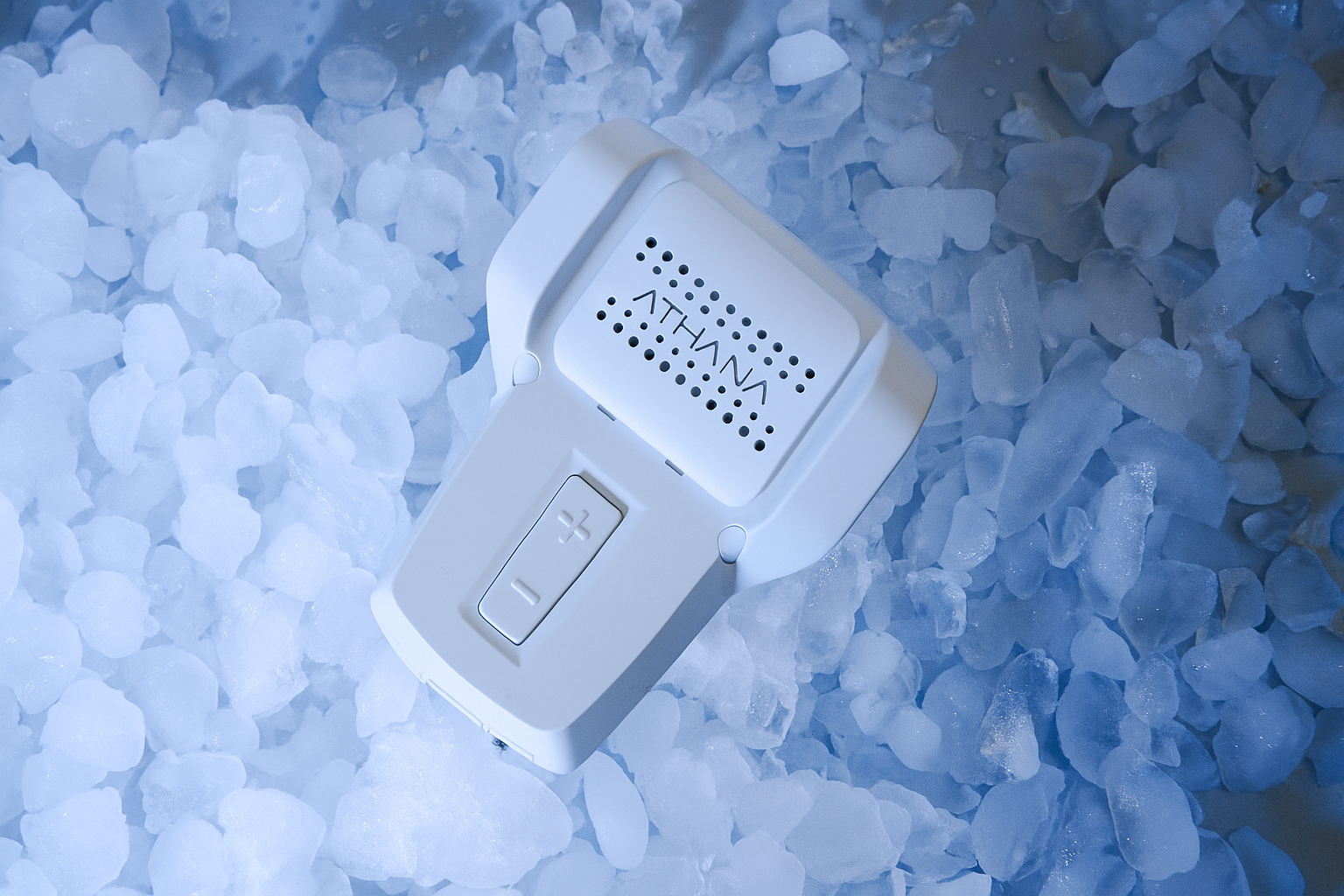
- Innovative methods: Approaches such as cryotherapy or targeted cooling offer relief in case of sensory overload. These techniques help regulate body temperature and calm inflammation. To better understand these benefits, consult the benefits of cryotherapy for menopause.
With Athana, access natural and innovative solutions designed for women during menopause.
When should you consult a healthcare professional?
It is completely natural to want to manage certain menopause-related symptoms on your own, especially when they seem "invisible" or difficult to describe.
However, in some cases, it is essential to consult a healthcare professional to obtain appropriate support and avoid worsening of the disorders.
Here are the situations in which a consultation becomes essential:
When sensory hypersensitivity disrupts your daily life
If noises, lights, or smells become so intense that they interfere with your sleep, your ability to concentrate, your work, or your social relationships, this indicates that the nervous system is overworked. This is not just a passing annoyance, but a sign that your body and brain need support.
A simple discussion with your GP or gynecologist can allow you to take stock, be heard, and put words to what you are experiencing.
If you experience associated physical symptoms
Sensory hypersensitivities can sometimes be accompanied by regular migraines, dizziness, balance issues, or even palpitations or chest pain related to stress. In these cases, a medical evaluation is important to rule out any other neurological or cardiovascular causes, and not automatically attribute these symptoms to menopause.
Additional examinations (MRI, EEG, vestibular balance test...) may be proposed if necessary, especially in case of persistent or debilitating symptoms.
If you feel emotionally overwhelmed
When emotional reactions become disproportionate, when you feel exhausted, on edge, or easily irritable, this may be a sign that your nervous system is in permanent overload. This emotional fatigue is often the background upon which sensory hypersensitivity settles.
Support from a psychologist specializing in menopause-related disorders, or from a sophrologist or integrative medicine practitioner, can be extremely beneficial in regaining serenity.
A hormonal balance can make all the difference
In many cases, a complete hormonal balance (estrogen, progesterone, FSH, cortisol...) makes it possible to better understand the imbalance at play and identify personalized therapeutic options: dietary adjustments, phytotherapy, hormone replacement therapy (HRT), or natural supplements.
Talk to your gynecologist or functional medicine doctor, who will be able to guide you toward the most gentle solutions adapted to your profile.
FAQ – Your frequently asked questions about sensory hypersensitivity
Is it normal to feel such sensitivity during menopause?
Yes, it is an experience much more common than people think. About 30 to 40% of women report an increase in their sensitivity to noise, light, smells, or even touch. These sensations can be surprising, but they are directly linked to the hormonal upheavals of menopause, particularly the drop in estrogen which alters sensory perception.
Is it a psychological problem?
Absolutely not; sensory hypersensitivity linked to menopause is based on well-documented biological and neurological mechanisms. It is caused by a disruption of neurotransmitters (like dopamine or serotonin) induced by hormonal variations. This can cause an amplification of sensory stimuli. It is neither in your head nor a sign of psychological weakness.
Does this hypersensitivity disappear on its own over time?
That depends. Some women notice a gradual soothing after menopause, when hormones stabilize. Others, however, may feel these discomforts more prolongedly. The good news is that there are very effective natural solutions and management strategies to improve daily comfort, even if symptoms persist.
Should I stop exercising if my senses are overstimulated?
Quite the contrary! Gentle physical activity, such as yoga, walking, swimming, or even dancing, helps regulate the nervous system, release stress, and better manage sensory overload. The important thing is to adapt the pace and choose calm and pleasant environments, away from noise or aggressive lights.
Towards more attentive self-listening: transforming this sensitivity into a strength
Menopause changes our relationship with the world. It can also become a period of introspection and transformation. By responding gently to your body's signals, you can live this transition with more calm, clarity, and self-awareness.
Leave a comment
All comments are moderated before being published.
This site is protected by hCaptcha and the hCaptcha Privacy Policy and Terms of Service apply.