

A gap that is often invisible
What if the hardest part of menopause wasn't just the symptoms… but the lack of understanding from those around us, and particularly from a partner?
Menopause is a natural stage in a woman's life. Yet, it is accompanied by sometimes intense physical and emotional changes that can profoundly disrupt daily life.
In France, nearly 14 million women are affected by menopause or perimenopause (source: INSERM). Despite this, the subject remains too rarely discussed.
According to l’Assurance Maladie, more than 75% of women suffer from hot flashes, sometimes several times a day, and nearly 50% experience sleep disturbances (source: ameli.fr). When these symptoms accumulate, they can lead to chronic fatigue and affect mood, concentration, and social life.
And yet, many women still feel they are not understood. This gap can create tension, loneliness, and a real sense of unhappiness within the relationship.

What men don't always understand (but which changes everything)
It’s not in your head
This is often where it all begins. Menopause symptoms are neither exaggerated nor imaginary. They are directly linked to significant hormonal changes, particularly the drop in estrogen. These fluctuations influence thermal regulation, sleep, and even emotions.
According to INSERM, up to 80% of women experience symptoms related to menopause. For those living through them, it is not just a simple annoyance. It is a physical reality that is sometimes difficult to control.
Unpredictability is exhausting
One day can seem normal, then suddenly flip. An intense hot flash, sudden fatigue, or unusual irritability can appear without warning.
According to the French National College of Gynecologists and Obstetricians, some women can experience up to several hot flash episodes per day, which makes daily life difficult to anticipate.
It is not just disruptive for those around them. It is above all draining for the woman experiencing it from within.

The body changes, and so does the way you see yourself
Menopause is not limited to visible physical symptoms. It also affects self-image.
The body evolves, sometimes rapidly. Weight gain, different skin, a drop in libido… all these changes can alter one's self-perception.
These transformations, often silent, can undermine confidence and create a feeling of being lost.
Fatigue is not “just fatigue”
Sleeping sometimes becomes a challenge.
Nighttime awakenings, night sweats, and difficulty falling asleep deeply disrupt sleep. According to the French National Authority for Health, 40 to 60% of menopausal women suffer from sleep disorders.
In the long run, this leads to persistent fatigue, which impacts patience, energy, and the ability to manage emotions.

Menopause symptoms: a reality often underestimated
Not all women experience menopause in the same way. But in the majority of cases, several symptoms can appear simultaneously.
Physically, hot flashes and night sweats are the most frequent. They can be accompanied by fatigue, joint pain, headaches, heart palpitations, or even dizziness. Some women also observe weight gain or digestive issues.
Emotionally, changes can appear gradually. Irritability, anxiety, low mood, or hypersensitivity are frequent. Concentration can become more difficult, as can stress management.
Sleep is often disrupted. Nights become shorter and less restorative, which accentuates general fatigue.
Finally, intimacy can be impacted, with a drop in libido, dryness, or discomfort.
According to INSERM and l’Assurance Maladie, these symptoms can last on average between 4 and 5 years, sometimes longer.

How to help concretely (without overdoing it)
One might think you need to change everything or find complex solutions. In reality, it is often the simplest gestures that make the difference.
Being present, truly, is essential. Listen without interrupting, without trying to correct or minimize. Sometimes, a simple sentence is enough to provide comfort. Saying “I’m here” can already bring relief.
Adapting the environment can also have a concrete impact. A well-ventilated room, a comfortable temperature, or a quiet moment can help in managing certain symptoms.
It is also important not to take everything personally. Some reactions are linked to hormonal fluctuations, and not to the relationship itself.
Finally, supporting without imposing remains the best approach. Offering solutions, yes. Imposing them, no. Each woman experiences this period in her own way.

The mistakes that hurt (often unintentionally)
Certain phrases, even seemingly harmless ones, can be difficult to hear.
Saying “you’re exaggerating,” “it’s normal at your age,” or “this will pass” can make her feel that what she is going through is not being taken seriously.
Ignoring the subject can also reinforce the feeling of loneliness.
Menopause does not need to be minimized. It needs to be understood.

Gift ideas that truly provide comfort
It’s not necessarily about offering something expensive. What counts is the intention.
An object that helps cope better with hot flashes, like a discreet fan or a refreshing mist, can bring real daily comfort. A good pillow can improve sleep quality.
Natural solutions like soothing herbal teas or certain supplements can also be useful.

And then, there are more innovative solutions, designed specifically to address hot flashes.
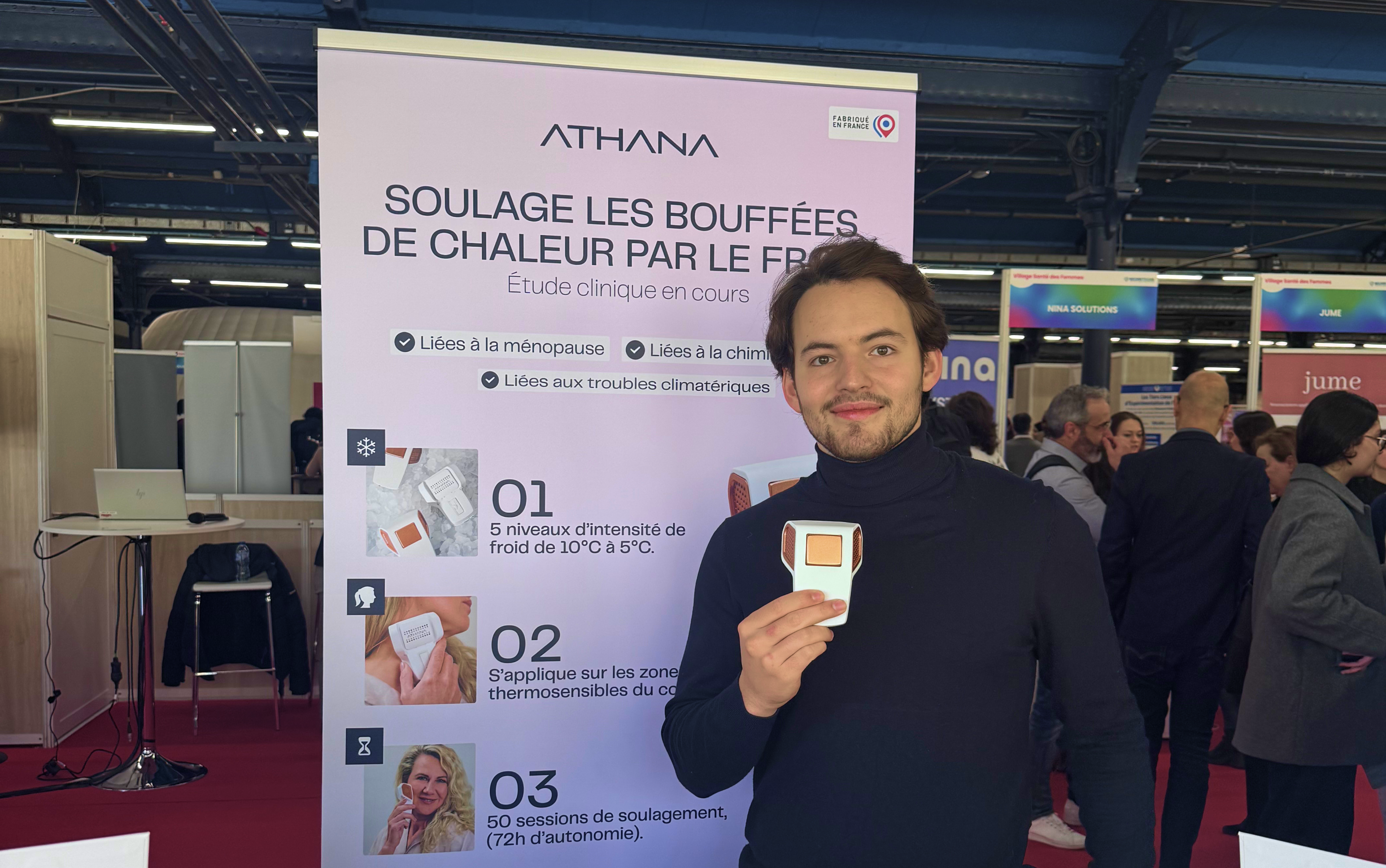
It is with this in mind that Héra was designed, a portable cold therapy device developed in France. Its principle is simple but particularly effective: applying targeted cold (between 5°C and 10°C) to areas such as the neck, face, or wrists to stop a hot flash in a few seconds.

Compact, discreet, and easy to use, Héra allows you to regain control almost instantly, even in the middle of the day. It is a different, useful gift that is deeply aligned with what women are actually experiencing during this time.
Offering this type of solution means going beyond the symbolic. It shows that you understand… and that you are taking action. (Héra)

Why we need to talk about it more
The silence surrounding menopause still fosters a great deal of misunderstanding.
According to IFOP, one in two women considers menopause to still be a taboo subject in France.
This silence can accentuate feelings of loneliness, doubt, and sometimes even shame.
When in reality, it is a normal stage of life. Talking about it allows for better understanding, better support, and most importantly, ensures women no longer have to go through this period alone.

FAQ: understanding menopause without taboos
How long does menopause last?
Menopause is part of a process that can last several years. Between perimenopause and postmenopause, some women experience symptoms for 5 to 10 years.
Do all women have symptoms?
No. Some women feel very few changes, while others may experience more intense symptoms. Every experience is different.
What are the most frequent symptoms?
The most common are hot flashes, sleep disturbances, fatigue, and mood swings. But there are many possible manifestations.
How should I react to a hot flash?
Stay calm, offer fresh air, don’t dramatize. Presence and understanding are often more important than action.
Can menopause affect a couple?
Yes, particularly due to fatigue, irritability, or changes in intimacy. But good communication often helps to strengthen the relationship.
Can symptoms be relieved naturally?
Yes, certain lifestyle habits, a suitable diet, or natural solutions can help improve daily comfort.
Why is menopause still taboo?
Because it touches on intimacy, the body, and age. But mentalities are evolving, and the conversation is gradually opening up.

Menopause is not just a biological transition. It is a period of transformation, sometimes confusing, often silent.
What many men don’t understand immediately is that behind the symptoms, there is a profound experience that deserves to be recognized.
Listening, understanding, being present…
These are often the simplest things that have the greatest impact.

Join the Athana community!
To learn more, discover inspiring testimonials, or ask your questions:
Follow us on social media:
- Instagram: @athana.off
- TikTok: @athana.off
- Facebook: Athana
- LinkedIn: Athana
Satisfaction guaranteed or your money back for 30 days.
Have a question? Email us at info@athana.shop
Leave a comment
All comments are moderated before being published.
This site is protected by hCaptcha and the hCaptcha Privacy Policy and Terms of Service apply.