
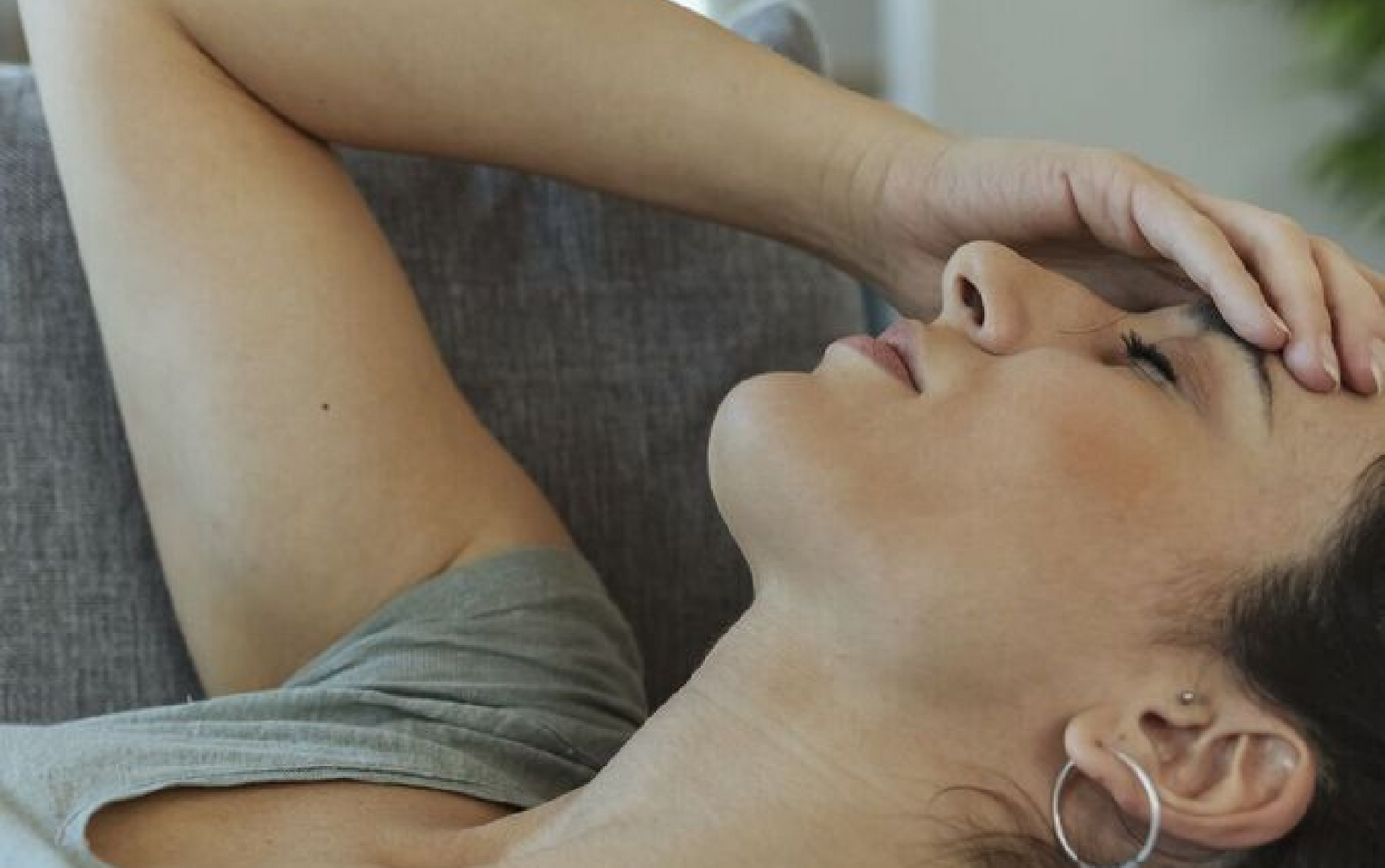
Menopause still remains too often misunderstood, even though it affects a very large number of women. In France, it is estimated that approximately 14 million women are menopausal and that 400,000 to 500,000 women enter this life stage every year.
On a global scale, the subject is gaining increasing importance. According to the WHO, by 2030, more than 1.2 billion women will be 50 years old or older. Several scientific publications also remind us that in 2025, the number of menopausal or postmenopausal women worldwide is expected to exceed 1 billion.
- What are the most common symptoms of menopause?
- Why does menopause cause fatigue?
- How can hot flashes be explained?
- Why is sleep disturbed during menopause?
-
What natural solutions exist to relieve these symptoms?
- FAQ

1. What are the most common symptoms of menopause?
Menopause is characterized by the permanent cessation of menstruation, generally around age 51. But hormonal upheavals begin much earlier, starting in perimenopause, between ages 35 and 50.
The 10 most common symptoms
Recent studies identify up to 34 different symptoms. Here are the most frequently reported ones:
- Hot flashes (up to 10 to 15 episodes per day)
- Night sweats
- Sleep disorders and insomnia
- Persistent fatigue
- Weight gain
- Mood swings (irritability, anxiety)
- Joint pain
- Vaginal dryness
- Palpitations
- Difficulty concentrating
These symptoms vary from one woman to another. Some experience several, while others go through this period with few inconveniences.
In France, the Ministry of Health indicates that 87% of women aged 50 to 65 are affected by at least one symptom of menopause, in addition to the cessation of menstruation.
1.2 Why do these symptoms appear?
The decrease in estrogen and progesterone disrupts the physiological balance. These hormones regulate thermoregulation, mood, sleep, and many bodily functions. When their production drops, the body must adapt, which causes these manifestations.

2. Why does menopause cause fatigue?
Menopausal fatigue is one of the most frequent complaints, but also one of the most underestimated. It is not due to a single cause. It often results from a combination of several factors: hormonal fluctuations, fragmented sleep, night sweats, unstable mood, stress, and sometimes other associated disorders.
The causes of this fatigue
Several factors add up:
- The hormonal drop slows down the metabolism and decreases available energy
- Night sweats fragment sleep
- Stress and anxiety linked to this period consume mental resources
- A possible iron or vitamin deficiency worsens the situation
How to distinguish normal fatigue from exhaustion?
If fatigue persists despite sufficient rest, if it prevents you from performing daily activities, or if it is accompanied by significant mood disorders, it is recommended to consult a healthcare professional to rule out other causes.

3. How can hot flashes be explained?
These symptoms affect up to 80% of women during the menopausal transition. Their duration is often underestimated: data from the SWAN study show that frequent vasomotor symptoms can last for more than 7 years for more than half of women.
The physiological mechanism
The hypothalamus, which regulates body temperature, becomes hypersensitive to hormonal variations. A slight rise in internal temperature triggers an excessive reaction: dilation of blood vessels, flushing, a sensation of intense heat, followed by sweating to cool the body down.
When do they occur?
They can occur during the day, at work, during a meeting, in public transport, or at night. When they occur at night as night sweats, they significantly increase the risk of broken sleep and fatigue the next day.

4. Why is sleep disturbed during menopause?
Sleep disorders are extremely common during perimenopause and menopause. Recent scientific reviews indicate that the prevalence of sleep disorders is approximately 16% to 47% in perimenopause and 35% to 60% after menopause.
Sleep is disturbed for several reasons. Night sweats interrupt sleep cycles. Hormonal decline can make falling asleep more difficult. Mood swings, anxiety, and even an increased risk of sleep apnea after menopause can also play a role.
The causes of insomnia
Three main factors:
- Night sweats interrupt sleep cycles
- The decrease in progesterone, a hormone that promotes relaxation, complicates falling asleep
- Anxiety and rumination increase during this time of life
Some studies also report that about 26% of women present sleep symptoms severe enough to have a significant daytime impact and qualify as genuine insomnia.

5. What natural solutions exist to relieve these symptoms?
Not all women need hormonal treatment. And not all can or wish to take it.
In France, the use of menopausal hormone therapy is currently relatively limited: recent data show that in 2023, approximately 0.5 million people used systemic hormone therapy in France, while the use of local vaginal treatments was higher.
A large meta-analysis published in The Lancet showed a higher excess risk with estrogen + progestogen combinations, especially when use extended beyond 5 years.
Among the most frequently recommended non-pharmacological approaches are:
- regular physical activity,
- a balanced diet,
- reducing alcohol and tobacco,
- stress management,
- and good sleep hygiene.
For hot flashes in particular, international recommendations recognize several non-hormonal options depending on the situation: behavioral approaches, therapies targeted at vasomotor symptoms, and certain prescription non-hormonal treatments.
Some women also seek physical and non-pharmacological solutions to quickly interrupt a hot flash, notably through locally applied cold. In this context, portable cryotherapy devices like Héra are part of a logic of immediate, hormone-free relief.
Discover Héra, the natural solution for hot flashes
Héra is a portable cryotherapy device developed by Athana. It relieves hot flashes in less than 10 seconds thanks to the application of controlled cold to the skin. Hormone-free, drug-free, discreet, and rechargeable, it accompanies women everywhere, day and night.
By placing the device on thermosensitive areas of the body like the nape of the neck, face, or neck, the wave of 5°C cold created by the device will instantly stop the hot flash.
Good to know:
- 96% of users are satisfied.
- +6000 customers use Héra every day.
- +20 innovation awards won
- 30-day free trial

FAQ
At what age does menopause begin?
In France, the average age of menopause is 51. The perimenopausal transition often begins starting at 45, sometimes earlier.
How long do hot flashes last?
Frequent vasomotor symptoms can last for more than 7 years for many women, according to longitudinal data from the SWAN study.
Do hot flashes affect all women?
No, but they are very common. Studies show they affect up to 80% of women during the menopausal transition.
Why is sleep worse during menopause?
Because night sweats, frequent awakenings, hormonal fluctuations, and sometimes anxiety or sleep apnea disrupt sleep cycles.
Is hormone therapy the only solution?
No. MHT is the most effective treatment for vasomotor symptoms in eligible women, but it is not the only option. There are also non-hormonal alternatives and lifestyle measures.

Join the Athana community!
To learn more, discover inspiring testimonials, or ask your questions:
Follow us on social media:
- Instagram: @athana.off
- TikTok: @athana.off
- Facebook: Athana
- LinkedIn: Athana
30-day money-back guarantee.
Any questions? Email us at info@athana.shop
Leave a comment
All comments are moderated before being published.
This site is protected by hCaptcha and the hCaptcha Privacy Policy and Terms of Service apply.